


Mitochondrial Dysfunction in Fibromyalgia
Mitochondrial dysfunction in fibromyalgia disrupts the body’s energy production, leading to chronic fatigue, muscle pain, and cognitive challenges. Impaired mitochondrial activity can heighten pain sensitivity and slow cellular recovery. At The COEM in Charleston, SC, board-certified Dr. William J. Weirs focuses on identifying and addressing this dysfunction to treat the root cause. His targeted, personalized therapies aim to restore cellular energy and improve overall well-being. For more information, contact us today or schedule an appointment online. We are conveniently located at 7510 North Forest Drive North Charleston, SC 29420. Patients routinely fly in to be evaluated by COEM, as we serve patients nationally and internationally.
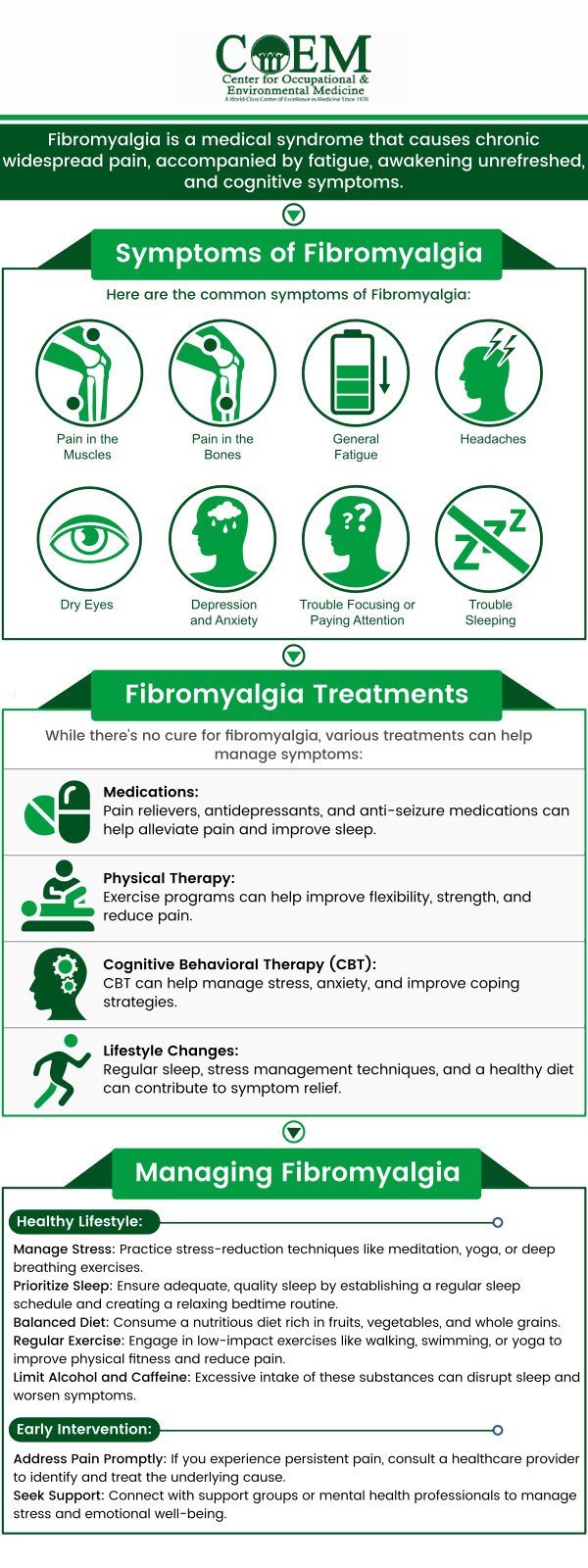
Table of Contents:
What is mitochondrial dysfunction?
How is mitochondrial dysfunction linked to fibromyalgia?
What are the symptoms of mitochondrial dysfunction in fibromyalgia?
Can mitochondrial dysfunction cause chronic pain in fibromyalgia?
Mitochondrial Dysfunction and Its Role in Fibromyalgia: A Personalized Treatment by Dr. William J. Weirs, MD
Mitochondrial dysfunction is a disruption in the way cells produce and manage energy, particularly within the mitochondria, which act as the engines that fuel nearly every tissue in the body. When these structures cannot generate energy efficiently, the entire system can feel strained, leading to a ripple effect that touches metabolism, muscle strength, cognitive clarity, and immune balance. Many patients describe a steady sense of fatigue that seems mismatched to their level of activity, as though their energy supply no longer fits the demands of daily life.
Mitochondrial dysfunction is often influenced by nutritional deficiencies, chronic infections, environmental exposures, and ongoing inflammation. These factors place a significant metabolic burden on the body, steadily impairing how cells take in fuel and convert it into usable energy. Persistent stress and hormonal imbalances may worsen this pattern, creating a cycle where the body struggles to recover from even mild exertion. The specialists at The Center for Occupational and Environmental Medicine (COEM) evaluate these influences through functional lab testing, which provides a clearer picture of how mitochondrial pathways are performing and where support is needed.
Mitochondrial dysfunction is frequently associated with fibromyalgia because individuals with this condition often experience widespread fatigue and muscle tenderness that reflect deeper metabolic challenges. Fibromyalgia presents with a constellation of symptoms that hint toward impaired cellular energy output, including disrupted sleep patterns, sensory hypersensitivity, and difficulty maintaining stamina throughout the day. When cells struggle to produce energy, muscles can feel tender and reactive, and the nervous system becomes more easily overwhelmed. Over time, these changes can contribute to the chronic discomfort that defines fibromyalgia.
Environmental stressors, toxic exposures, chronic inflammation, and nutritional deficiencies may all increase the metabolic load on the body, creating conditions in which mitochondrial function weakens. Many individuals with fibromyalgia describe long periods of exhaustion that do not resolve with rest, suggesting an underlying energy deficit at the cellular level. Functional medicine doctors at COEM assess these patterns through specialized laboratory testing to determine how mitochondrial pathways are being affected and whether imbalances in hormones, nutrients, or immune activity are compounding the problem.
Symptoms of mitochondrial dysfunction in fibromyalgia often appear as persistent fatigue, muscle soreness, and difficulty handling physical or emotional stress. Many individuals feel as though their muscles tire quickly or remain sensitive even after minimal activity. This sensitivity can extend beyond the muscles themselves, influencing sleep quality, cognitive function, and mood stability. The inconsistency of energy levels can make daily tasks feel unpredictable, with good days and difficult days appearing without a clear pattern. These fluctuating symptoms reflect the uneven supply of cellular energy throughout the body.
Cognitive symptoms are also common, including slowed thinking, memory lapses or problems with concentration. Patients sometimes describe feeling detached or mentally hazy during periods of heightened fatigue, which can interfere with work, relationships, and daily routines. Functional medicine evaluations often reveal nutrient deficiencies or immune stressors that contribute to these cognitive changes, highlighting how mitochondrial strain affects more than muscle tissue. Over time, the body may become increasingly reactive to environmental exposures or emotional stress, amplifying discomfort.
The specialists at COEM in Charleston look closely at these overlapping symptoms through a combination of metabolic testing, environmental assessments, and a detailed medical history. When clinicians identify the patterns that point toward mitochondrial dysfunction, they are able to design individualized treatment plans that strengthen energy production and reduce overall symptom intensity.
Mitochondrial dysfunction can significantly contribute to the chronic pain experienced in fibromyalgia. When cells lack the energy needed to maintain healthy muscle and nerve function, tissues can become increasingly sensitive. This cellular fatigue creates an environment where the nervous system amplifies sensations that would otherwise be mild or manageable. The combination of poor energy output, oxidative stress, and inflammatory signals increases the likelihood that routine movements trigger discomfort. Many individuals report that their muscles feel tender, heavy, or sore, even in the absence of injury.
As mitochondrial strain intensifies, the body’s natural repair processes slow down, allowing micro stresses within the muscles to accumulate. This can create persistent soreness, stiffness, and diffuse pain that affects multiple areas of the body. The nervous system may respond by becoming more vigilant, interpreting normal sensations as potential threats. This heightened sensitivity, often referred to as central sensitization, is common in fibromyalgia and reflects how deeply energy imbalances influence pain perception.
At COEM Charleston, NC, board-certified clinicians consider these connections during the evaluation process and use functional lab testing to identify the metabolic patterns contributing to chronic pain. Therapies that support mitochondrial repair, reduce toxin load, and improve nutrient availability help restore smoother communication between the nerves and muscles.
Mitochondrial dysfunction plays a crucial role in the development and persistence of fibromyalgia, often leading to chronic fatigue, widespread pain, and impaired cognitive function. When the mitochondria fail to produce adequate cellular energy, the body’s ability to repair tissues and manage stress diminishes, resulting in increased pain sensitivity and exhaustion. Dr. William J. Weirs, MD, recognizes that addressing mitochondrial health is essential to uncovering the root cause of fibromyalgia rather than simply managing its symptoms.
At The Center for Occupational and Environmental Medicine (COEM) in Charleston, SC, Dr. William J. Weirs, MD, offers a personalized, evidence-based approach to fibromyalgia care that focuses on restoring mitochondrial function. As a board-certified physician, he combines in-depth functional testing with targeted nutritional and metabolic therapies to rebalance cellular energy production. His individualized treatment plans aim to reduce inflammation, enhance vitality, and help patients achieve lasting relief and improved quality of life through true cellular healing. For more information, contact us today or schedule an appointment online. We are conveniently located at 7510 North Forest Drive North Charleston, SC 29420. We serve patients from Charleston SC, Mount Pleasant SC, Summerville SC, North Charleston SC, Goose Creek SC, Ladson SC, Hanahan SC, James Island SC, John’s Island SC, Daniel Island SC, West Ashley SC, Moncks Corner SC, Sullivans Island SC, Folly Beach SC, Isle of Palms SC and all of South Carolina, Nationally, and Internationally. Patients routinely fly into Charleston to be evaluated by COEM and to enjoy this beautiful city, which is a Condé Nast and Travel and Leisure Top Domestic and International Tourist Destination.

Check Out Our 5 Star Reviews


Additional Services You May Like
- Functional Medicine
- Allergy and Autoimmunity
- Asthma and COPD
- Autoimmune Diseases
- Allergy and Immunology
- Anti Aging Medicine
- Autism and Children
- ADHD
- Bacterial Infections
- Chemical Toxicity
- Candida Fungal Problems
- Cancer Treatment
- Chronic Illness
- Chronic Inflammatory Response Syndrome (CIRS)
- Chronic Fatigue
- Cardiovascular Disease
- Carbon Monoxide Poisoning
- Chelation Therapy
- Depression
- Environmental Medicine
- Ear Ringing and Dizziness
- Fatigue Treatment
- Fertility and Preconception Care
- Gut Health
- GI 360 Test
- Heavy Metal Toxicity
- Hormonal Imbalances
- Headaches and Migraines
- Hormone Balancing (Men & Women)
- Hepatitis
- Integrative Medicine
- Independent Medical Evaluations
- Influenza
- Lab Testing
- Mold Toxicity
- Malnutrition
- Neurodegenerative Disease
- Natural Hormone Balancing For Women
- Preservative-Free IV Therapy
- Stomach Acid Imbalance
- Smoking Cessation Program
- Skin Therapy (Anti-Aging)
- Swine Flu
- Thyroid
- Mold Toxicity
- Vitamin D
- Weight Loss Program
- Women’s Breast Health Formula
Additional Services You May Like
- Functional Medicine
- Allergy and Autoimmunity
- Asthma and COPD
- Autoimmune Diseases
- Allergy and Immunology
- Anti Aging Medicine
- Autism and Children
- ADHD
- Bacterial Infections
- Chemical Toxicity
- Candida Fungal Problems
- Cancer Treatment
- Chronic Illness
- Chronic Fatigue
- Cardiovascular Disease
- Chronic Inflammatory Response Syndrome (CIRS)
- Carbon Monoxide Poisoning
- Chelation Therapy
- Depression
- Environmental Medicine
- Ear Ringing and Dizziness
- Fatigue Treatment
- Fertility and Preconception Care
- Gut Health
- GI 360 Test
- Heavy Metal Toxicity
- Hormonal Imbalances
- Headaches and Migraines
- Hormone Balancing (Men & Women)
- Hepatitis
- Integrative Medicine
- Independent Medical Evaluations
- Influenza
- Lab Testing
- Mold Toxicity
- Malnutrition
- Neurodegenerative Disease
- Natural Hormone Balancing For Women
- Preservative-Free IV Therapy
- Stomach Acid Imbalance
- Smoking Cessation Program
- Skin Therapy (Anti-Aging)
- Swine Flu
- Thyroid
- Mold Toxicity
- Vitamin D
- Weight Loss Program
- Women’s Breast Health Formula



 VIP Referral
 Send Text
 How May I Help You?