


What Is CIRS Testing, and How Can It Help Identify Mold Exposure?
CIRS testing is a diagnostic tool used to assess Chronic Inflammatory Response Syndrome, often caused by mold exposure. It examines how biotoxins from mold affect the body’s immune and detoxification systems. By analyzing immune markers and mycotoxin levels, CIRS testing helps identify the presence of mold toxins in the body. At The COEM in Charleston, SC, Board-Certified Dr. William J. Weirs, M.D., F.A.A.E.M, specializes in mold exposure and regularly provides Independent Medical Examinations (IMEs) to accurately diagnose and guide effective treatment for mold-related inflammation, along with our team of specialists. For more information, contact us today or schedule an appointment online. We are conveniently located at 7510 North Forest Drive North Charleston, SC 29420. Patients routinely fly in to be evaluated by COEM, as we serve patients nationally and internationally.
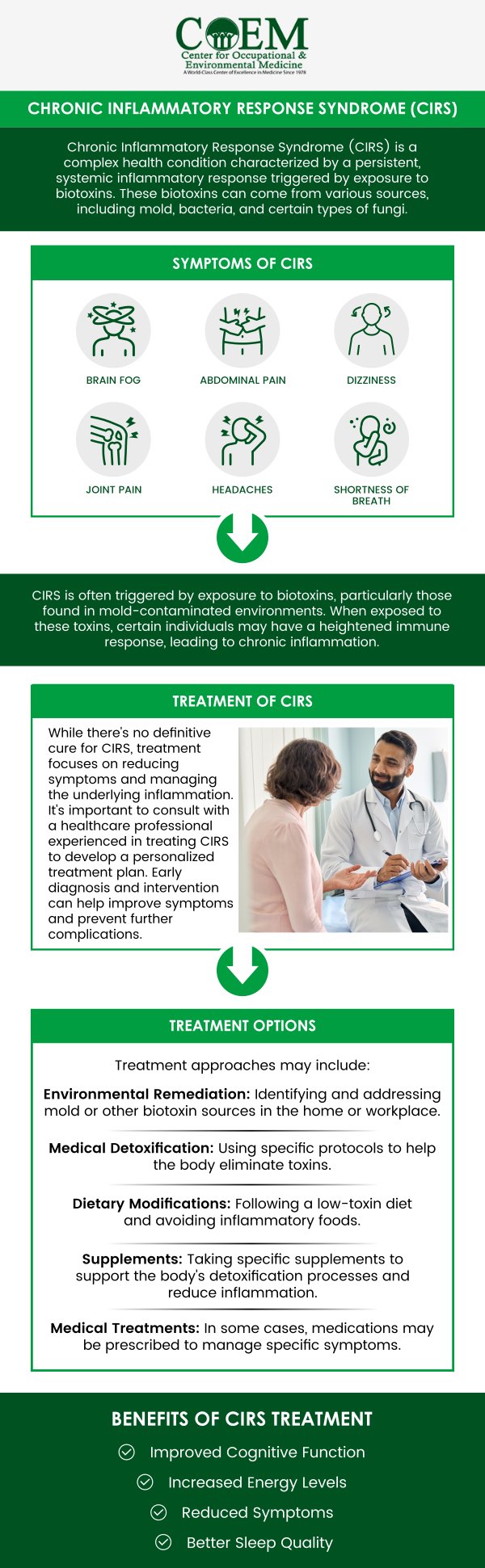
Table of Contents:
What is CIRS testing?
How does CIRS testing identify mold exposure?
What are the symptoms that suggest I might need CIRS testing?
What happens if the CIRS test is positive for mold exposure?
Board Certified Dr. William J. Weirs, MD at COEM – Uncover Mold Exposure with CIRS Testing in Charleston, SC
CIRS testing is a structured diagnostic process used to evaluate Chronic Inflammatory Response Syndrome (CIRS), a condition marked by persistent immune activation following exposure to biotoxins. These biotoxins commonly originate from mold, bacteria, and certain fungal organisms found in water-damaged environments. CIRS testing examines how inflammation, immune regulation, and detoxification pathways are functioning together.
At The Center for Occupational and Environmental Medicine (COEM), CIRS testing includes a comprehensive set of laboratory evaluations designed to identify immune dysregulation related to mold exposure. These may include mold-specific IgG antibody testing through LabCorp, which provides a more accurate picture of chronic exposure than IgE testing alone. Additional testing may involve Vibrant Wellness Environmental Toxins and Mycotoxins, Real-Time Labs Mold/Mycotoxins, and Great Plains Labs Tox and Mycotoxin Panels to assess the presence and burden of mycotoxins within the body. These tools help establish whether biotoxins are contributing to ongoing inflammation.
CIRS testing also evaluates additional effects of exposure, including immune markers such as C-Reactive Protein, anti-thyroid antibodies, and other inflammatory indicators. Thyroid panels, sensitivity testing, and provocation-neutralization testing may be used to understand how biotoxin exposure is influencing endocrine and immune balance. This approach allows clinicians to move beyond symptom categorization and toward identifying a measurable inflammatory process driving illness.
CIRS testing identifies mold exposure by measuring the body’s biological response to biotoxins. Blood-based testing such as mold-specific IgG antibodies, helps determine whether the immune system has mounted a chronic response to mold exposure over time. This is particularly relevant for patients who no longer reside in the exposure environment but continue to experience symptoms. IgG testing provides insight into cumulative exposure that standard allergy testing often misses. At COEM, testing through Vibrant Wellness Environmental Toxins and Mycotoxins, Real-Time Labs Mold/Mycotoxins, and Great Plains Labs Tox and Mycotoxin Panels is used to assess the presence of mycotoxins produced by mold species. These panels help determine whether mold toxins are being retained in the body and interfering with immune and neurological function. When combined with clinical history, these results help confirm whether mold exposure remains an active contributor to inflammation.
Additional immune and inflammatory markers further clarify the diagnosis. Testing may include neural inflammation panels, immune marker testing, and thyroid-related antibodies to assess how mold exposure is affecting broader regulatory systems. This comprehensive strategy allows clinicians to identify mold exposure even when environmental testing is inconclusive or when symptoms have been attributed to unrelated conditions.
Symptoms that suggest the need for CIRS testing often involve multiple systems and evolve gradually. Individuals may experience persistent fatigue, brain fog, memory difficulty, and reduced concentration that interfere with daily functioning. These cognitive symptoms are frequently accompanied by headaches, sinus congestion, and sensitivity to light or sound. Many patients also report muscle pain, joint discomfort, digestive issues, and unexplained inflammation. Sleep disturbances, mood changes, and increased irritability are common, as is a reduced ability to tolerate stress. Some individuals notice that symptoms worsen in certain buildings or environments and partially improve when away from them, though this pattern may only become clear in hindsight.
CIRS is frequently misdiagnosed as anxiety, depression, somatization, or post-traumatic stress-related conditions. When symptoms persist despite standard treatment or lack a clear explanation, CIRS testing provides a structured way to evaluate whether biotoxin exposure is driving immune dysfunction. This testing helps reframe symptoms as part of a physiological inflammatory process.
When CIRS testing confirms mold-related inflammation, treatment focuses on reducing the biotoxin burden while supporting the body’s detoxification and immune regulation systems. Environmental remediation becomes a priority, including identifying and addressing mold exposure in the home or workplace. Without removing the source of exposure, inflammation often continues despite supportive therapies. Addressing the environment is, therefore, foundational to recovery.
Clinical treatment may involve structured detoxification protocols designed to safely eliminate mycotoxins. At COEM, this may include participation in a biotoxification program tailored to individual patient needs. Therapies may involve a combination of supportive interventions aimed at improving detoxification, enhancing immune function, and restoring balance within the body. These approaches are selected based on laboratory findings and individual tolerance.
Dietary modifications and immune support are often incorporated to reduce inflammatory load and improve detoxification capacity. Specific supplements may be used to support liver function, immune modulation, and neurological recovery. With appropriate intervention, patients often experience improvements in cognitive clarity, energy levels, and sleep quality as inflammatory pathways normalize.
Board-Certified Dr. William J. Weirs, M.D., F.A.A.E.M, specializes in mold exposure and regularly provides Independent Medical Examinations (IMEs) and clinical testimony in mold cases that involve a legal component. With extensive experience in both emergency and environmental medicine, Dr. Weirs plays a crucial role in assessing patients with mold-related illnesses, particularly those involved in workers’ compensation or personal injury claims. His expertise allows him to offer in-depth evaluations and reliable testimony that can impact the outcome of legal cases. Dr. Weirs’s ability to assess the medical complexities of mold exposure makes him an essential part of the team, especially for patients requiring a medical evaluation tied to legal processes. Through comprehensive CIRS testing and personalized treatment strategies, patients are given a clear path toward reducing inflammation and restoring physiological balance.
CIRS testing is available at The Center for Occupational and Environmental Medicine (COEM). For more information, contact us today or schedule an appointment online. We are conveniently located at 7510 North Forest Drive North Charleston, SC 29420. We serve patients from Charleston SC, Mount Pleasant SC, Summerville SC, North Charleston SC, Goose Creek SC, Ladson SC, Hanahan SC, James Island SC, John’s Island SC, Daniel Island SC, West Ashley SC, Moncks Corner SC, Sullivans Island SC, Folly Beach SC, Isle of Palms SC and all of South Carolina, Nationally, and Internationally. Patients routinely fly into Charleston to be evaluated by COEM and to enjoy this beautiful city, which is a Condé Nast and Travel and Leisure Top Domestic and International Tourist Destination.

Check Out Our 5 Star Reviews


Additional Services You May Like
- Functional Medicine
- Allergy and Autoimmunity
- Asthma and COPD
- Autoimmune Diseases
- Allergy and Immunology
- Anti Aging Medicine
- Autism and Children
- ADHD
- Bacterial Infections
- Chemical Toxicity
- Candida Fungal Problems
- Cancer Treatment
- Chronic Illness
- Chronic Inflammatory Response Syndrome (CIRS)
- Chronic Fatigue
- Cardiovascular Disease
- Carbon Monoxide Poisoning
- Chelation Therapy
- Depression
- Environmental Medicine
- Ear Ringing and Dizziness
- Fatigue Treatment
- Fertility and Preconception Care
- Gut Health
- GI 360 Test
- Heavy Metal Toxicity
- Hormonal Imbalances
- Headaches and Migraines
- Hormone Balancing (Men & Women)
- Hepatitis
- Integrative Medicine
- Independent Medical Evaluations
- Influenza
- Lab Testing
- Mold Toxicity
- Malnutrition
- Neurodegenerative Disease
- Natural Hormone Balancing For Women
- Preservative-Free IV Therapy
- Stomach Acid Imbalance
- Smoking Cessation Program
- Skin Therapy (Anti-Aging)
- Swine Flu
- Thyroid
- Mold Toxicity
- Vitamin D
- Weight Loss Program
- Women’s Breast Health Formula
Additional Services You May Like
- Functional Medicine
- Allergy and Autoimmunity
- Asthma and COPD
- Autoimmune Diseases
- Allergy and Immunology
- Anti Aging Medicine
- Autism and Children
- ADHD
- Bacterial Infections
- Chemical Toxicity
- Candida Fungal Problems
- Cancer Treatment
- Chronic Illness
- Chronic Fatigue
- Cardiovascular Disease
- Chronic Inflammatory Response Syndrome (CIRS)
- Carbon Monoxide Poisoning
- Chelation Therapy
- Depression
- Environmental Medicine
- Ear Ringing and Dizziness
- Fatigue Treatment
- Fertility and Preconception Care
- Gut Health
- GI 360 Test
- Heavy Metal Toxicity
- Hormonal Imbalances
- Headaches and Migraines
- Hormone Balancing (Men & Women)
- Hepatitis
- Integrative Medicine
- Independent Medical Evaluations
- Influenza
- Lab Testing
- Mold Toxicity
- Malnutrition
- Neurodegenerative Disease
- Natural Hormone Balancing For Women
- Preservative-Free IV Therapy
- Stomach Acid Imbalance
- Smoking Cessation Program
- Skin Therapy (Anti-Aging)
- Swine Flu
- Thyroid
- Mold Toxicity
- Vitamin D
- Weight Loss Program
- Women’s Breast Health Formula



 VIP Referral
 Send Text
 How May I Help You?