


How Heavy Metal Exposure Leads to Neurological Symptoms
Heavy metals like mercury and lead penetrate the blood-brain barrier to disrupt neurotransmitter signaling and induce oxidative stress, directly damaging sensitive nerve tissue. This toxic accumulation degrades the protective myelin sheath, leading to persistent symptoms such as brain fog, tremors, and neuropathy. At COEM, Dr. William J. Weirs, MD, targets these specific bio-accumulations to halt neurodegeneration and restore optimal nervous system function. For more information, contact us today or schedule an appointment online. We are conveniently located at 7510 North Forest Drive North Charleston, SC 29420. Patients routinely fly in to be evaluated by COEM, as we serve patients nationally and internationally. Find out if you have been exposed, extensive lab testing is available.
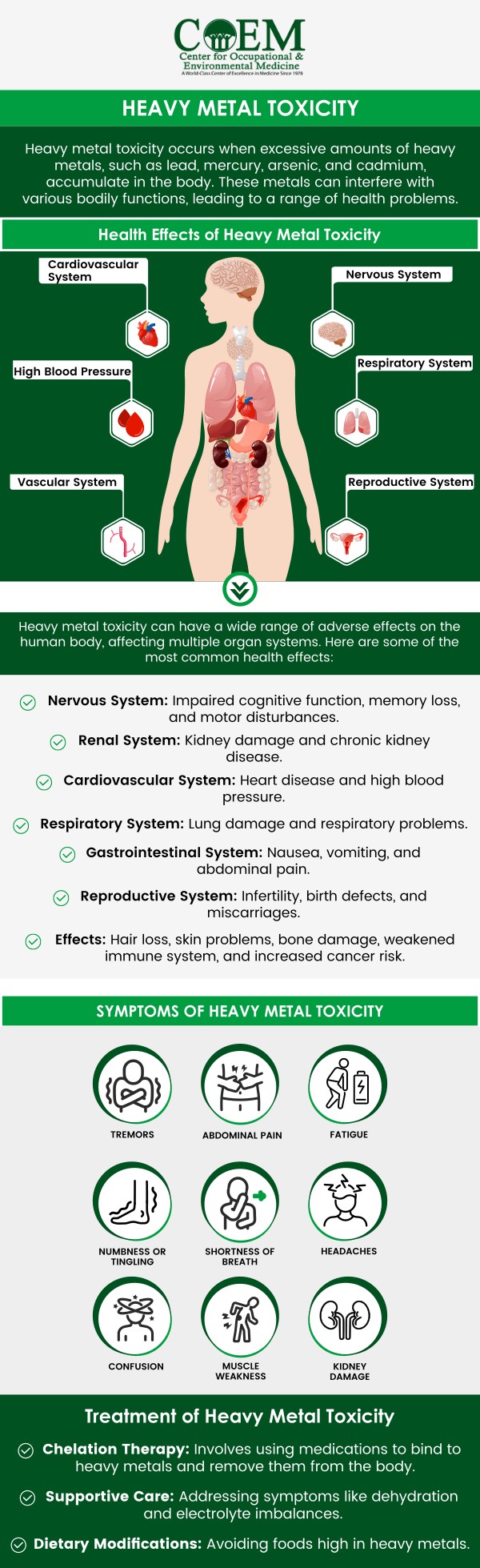
Table of Contents:
Why does heavy metal exposure cause cognitive problems?
Can heavy metal exposure cause mood or behavioral changes?
How does heavy metal toxicity lead to nerve pain or tingling?
Can heavy metals trigger tremors or coordination problems?
Why Early Identification of Heavy Metal Related Neurological Symptoms Matters with Dr. William J. Weirs, M.D. at COEM
Heavy metal exposure interferes directly with neurological processes that support memory, focus, and information processing. Metals such as lead, mercury, arsenic, and cadmium can pass protective barriers within the body and accumulate in nervous tissue, where they disrupt cellular signaling and energy production. Neurons rely on tightly regulated biochemical reactions to transmit signals efficiently, and metal interference can slow or distort those pathways, leading to confusion, forgetfulness, and difficulty maintaining attention.
Cognitive symptoms often begin to occur gradually, which can make them difficult to associate with a specific exposure event. Individuals may notice changes in short term memory, mental clarity, or processing speed without obvious neurological injury. As metals accumulate, oxidative stress increases within brain tissue, placing strain on detoxification systems and impairing mitochondrial function. This environment reduces the brain’s ability to adapt and recover from daily cognitive demands.
Specialists at The Center for Occupational and Environmental Medicine (COEM) evaluate cognitive concerns through detailed history, laboratory testing, and assessment of environmental and occupational exposures. By identifying patterns of exposure and biochemical disruption, underlying contributors to cognitive decline can be addressed in a targeted and measurable way.
Heavy metals influence neurotransmitter systems involved in emotional regulation and stress response. Disruption of GABA signaling and other neurochemical pathways can alter how the brain processes motivation, anxiety, and emotional resilience. Individuals may experience mood instability, irritability, depressive symptoms, or emotional flattening that feels disconnected from life circumstances. Behavioral changes often develop alongside physical symptoms such as fatigue, headaches, sleep disruption, or gastrointestinal discomfort. These overlapping effects can compound emotional strain, particularly when symptoms persist without a clear explanation. Metal related neurotoxicity can alter how the nervous system responds to stimulation, leading to heightened stress sensitivity or reduced tolerance to everyday demands.
At COEM, evaluation includes symptom evaluation to include how metal exposure interacts with immune regulation, metabolic balance, and nutritional status. Addressing mood changes involves understanding how toxicity influences multiple systems simultaneously, allowing treatment plans to support neurological stability while reducing ongoing biochemical stress.
Peripheral nerve tissue is particularly sensitive to toxic exposure due to its reliance on uninterrupted signal transmission and energy supply. Heavy metals can impair nerve conduction by disrupting structures that protect nerve fibers. This interference may present as tingling, numbness, burning sensations, or shooting pain that appears without mechanical injury. As exposure continues, oxidative stress and inflammation increase within nerve tissue, contributing to muscle weakness and altered sensation. These symptoms may fluctuate or progress depending on exposure level, detoxification capacity, and overall metabolic health. Nerve related symptoms are often accompanied by fatigue, coordination changes, or temperature sensitivity.
The specialists at COEM assess nerve symptoms using laboratory data, clinical examination, and exposure history. Identifying metal related neuropathy allows care plans to address both toxic burden and the nutritional and metabolic factors required for nerve repair and stabilization.
Motor control depends on precise communication between the brain, spinal cord, and peripheral nerves. Heavy metals disrupt this coordination by interfering with neurotransmission and cerebellar function, leading to tremors, balance issues, or changes in fine motor skills. Individuals may notice hand shaking, difficulty with handwriting, clumsiness, or slowed reaction time.
Coordination problems often coexist with muscle weakness, joint discomfort, or unexplained changes in gait. These symptoms may initially occur rarely and with subtle presentation, becoming more noticeable as toxic load increases. Metals stored in tissue can continue to affect motor pathways even after exposure has ended, extending neurological impact over time.
COEM clinicians evaluate movement related symptoms alongside cardiovascular, renal, and respiratory indicators that may signal systemic involvement. This assessment helps clarify how neurological findings fit within the larger picture of metal toxicity and physiological stress.
Early identification of metal-related neurological symptoms allows intervention to begin before dysfunction becomes prolonged. Cognitive decline, mood changes, neuropathy, and coordination issues can evolve into persistent challenges when toxic exposure remains unaddressed. Timely evaluation helps reduce the risk of long-term neurological, metabolic, and immune complications.
Dr. William J. Weirs, board-certified in emergency medicine, brings a multidisciplinary perspective to the evaluation of heavy metal exposure. His work involves a detailed review of occupational history, environmental risk factors, dietary sources, dental materials, symptom progression, and laboratory findings. This allows patterns of exposure to be identified even when symptoms appear unrelated.
The specialists at COEM in Charleston, NC, are sought out worldwide for their comprehensive diagnostic services that support safe and effective treatment planning. Care may involve chelation screening, nutritional support, hydration management, and monitoring of essential mineral balance while detoxification pathways are supported. Addressing neurological symptoms early helps stabilize function, reduce cumulative damage, and support long-term neurological health.
Heavy metal exposure treatment is available at The Center for Occupational and Environmental Medicine (COEM). For more information, contact us today or schedule an appointment online. We are conveniently located at 7510 North Forest Drive North Charleston, SC 29420. We serve patients from Charleston SC, Mount Pleasant SC, Summerville SC, North Charleston SC, Goose Creek SC, Ladson SC, Hanahan SC, James Island SC, John’s Island SC, Daniel Island SC, West Ashley SC, Moncks Corner SC, Sullivans Island SC, Folly Beach SC, Isle of Palms SC and all of South Carolina, Nationally, and Internationally. Patients routinely fly into Charleston to be evaluated by COEM and to enjoy this beautiful city, which is a Condé Nast and Travel and Leisure Top Domestic and International Tourist Destination.

Check Out Our 5 Star Reviews


Additional Services You May Like
- Functional Medicine
- Allergy and Autoimmunity
- Asthma and COPD
- Autoimmune Diseases
- Allergy and Immunology
- Anti Aging Medicine
- Autism and Children
- ADHD
- Bacterial Infections
- Chemical Toxicity
- Candida Fungal Problems
- Cancer Treatment
- Chronic Illness
- Chronic Inflammatory Response Syndrome (CIRS)
- Chronic Fatigue
- Cardiovascular Disease
- Carbon Monoxide Poisoning
- Chelation Therapy
- Depression
- Environmental Medicine
- Ear Ringing and Dizziness
- Fatigue Treatment
- Fertility and Preconception Care
- Gut Health
- GI 360 Test
- Heavy Metal Toxicity
- Hormonal Imbalances
- Headaches and Migraines
- Hormone Balancing (Men & Women)
- Hepatitis
- Integrative Medicine
- Independent Medical Evaluations
- Influenza
- Lab Testing
- Mold Toxicity
- Malnutrition
- Neurodegenerative Disease
- Natural Hormone Balancing For Women
- Preservative-Free IV Therapy
- Stomach Acid Imbalance
- Smoking Cessation Program
- Skin Therapy (Anti-Aging)
- Swine Flu
- Thyroid
- Mold Toxicity
- Vitamin D
- Weight Loss Program
- Women’s Breast Health Formula
Additional Services You May Like
- Functional Medicine
- Allergy and Autoimmunity
- Asthma and COPD
- Autoimmune Diseases
- Allergy and Immunology
- Anti Aging Medicine
- Autism and Children
- ADHD
- Bacterial Infections
- Chemical Toxicity
- Candida Fungal Problems
- Cancer Treatment
- Chronic Illness
- Chronic Fatigue
- Cardiovascular Disease
- Chronic Inflammatory Response Syndrome (CIRS)
- Carbon Monoxide Poisoning
- Chelation Therapy
- Depression
- Environmental Medicine
- Ear Ringing and Dizziness
- Fatigue Treatment
- Fertility and Preconception Care
- Gut Health
- GI 360 Test
- Heavy Metal Toxicity
- Hormonal Imbalances
- Headaches and Migraines
- Hormone Balancing (Men & Women)
- Hepatitis
- Integrative Medicine
- Independent Medical Evaluations
- Influenza
- Lab Testing
- Mold Toxicity
- Malnutrition
- Neurodegenerative Disease
- Natural Hormone Balancing For Women
- Preservative-Free IV Therapy
- Stomach Acid Imbalance
- Smoking Cessation Program
- Skin Therapy (Anti-Aging)
- Swine Flu
- Thyroid
- Mold Toxicity
- Vitamin D
- Weight Loss Program
- Women’s Breast Health Formula



 VIP Referral
 Send Text
 How May I Help You?