

How Can You Detoxify Heavy Metals from the Body?
Heavy metal toxicity, caused by metals like lead, mercury, and arsenic, can lead to symptoms such as chronic fatigue and brain fog. At COEM, Dr. William J. Weirs, MD, uses advanced testing and chelation therapies to safely remove these toxins. We focus on supporting the liver and kidneys to ensure an effective and gentle detoxification process. For more information, contact us today or schedule an appointment online. We are conveniently located at 7510 North Forest Drive North Charleston, SC 29420. Patients routinely fly in to be evaluated by COEM, as we serve patients nationally and internationally. Find out if you have been exposed, extensive lab testing is available.
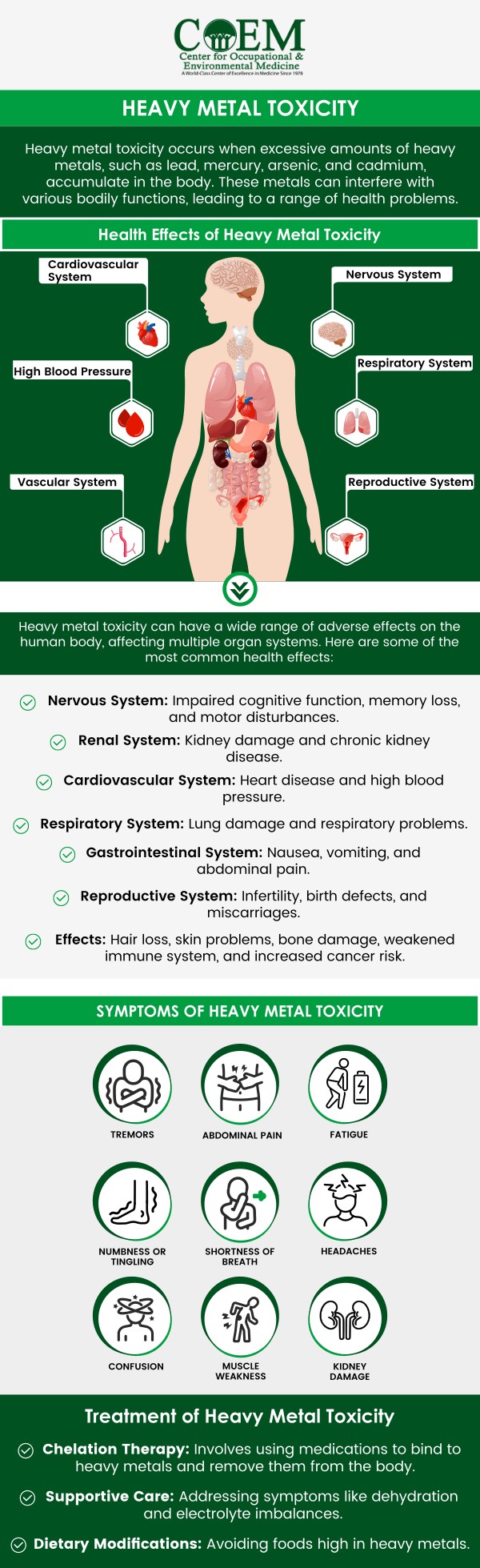
Table of Contents:
How do heavy metals affect the body?
Is it possible for heavy metals to accumulate in the body over time?
How can I detox from heavy metals?
Can detoxing from heavy metals improve my health?
Protect Your Health Detox Heavy Metals Safely with Dr. William J. Weirs, M.D.
Heavy metals such as lead, mercury, arsenic, and cadmium interfere with various biochemical functions once they enter the body. After absorption through inhalation, ingestion, or skin contact, these metals circulate through the bloodstream and can enter tissues where they disrupt enzyme systems that regulate energy production and cellular repair. Mitochondrial function may become impaired, oxidative stress can increase, and signaling between cells may be less precise. The nervous system is particularly sensitive to metal exposure. Cognitive slowing, memory lapses, headaches, tremors, and difficulty concentrating are frequently reported in individuals with elevated metal burden. Lead has been associated with altered GABA signaling, while mercury and cadmium can influence neurotransmitter balance and immune activation. These changes may present as confusion, mood shifts, sensory disturbances, or motor instability, depending on exposure level and duration.
Heavy metals can also affect cardiovascular, renal, respiratory, gastrointestinal, and reproductive systems. Elevated blood pressure, vascular strain, kidney stress, abdominal discomfort, nausea, shortness of breath, and hormonal irregularities have all been documented in chronic exposure patterns. Hair thinning, skin changes, joint discomfort, and immune dysregulation may also appear. The broad reach of symptoms reflects the way metals interact with multiple organ systems simultaneously.
Specialists at The Center for Occupational and Environmental Medicine (COEM) evaluate how metal toxicity influences an individual’s unique biochemical profile. Extensive laboratory testing and detailed environmental and occupational history allow patterns to emerge even when symptoms seem unrelated. This comprehensive assessment supports targeted intervention aimed at reducing toxic burden while stabilizing neurological, metabolic, and immune function.
Heavy metals can persist within tissues long after initial exposure. Certain metals bind to proteins, accumulate in bone, or deposit in fatty tissue and organs where they remain biologically active. Repeated low-level exposure through air, water, food, or occupational contact may gradually increase the total body burden. Because elimination pathways vary among individuals, rates of accumulation can differ. Stored metals can continue to influence organ systems even in the absence of ongoing exposure. Gradual buildup may contribute to fatigue, joint stiffness, cognitive difficulty, and unexplained systemic symptoms that develop slowly. The body’s detoxification pathways, particularly those involving the liver and kidneys, may experience sustained strain when toxic load exceeds clearance capacity.
Chronic accumulation can affect long-term cardiovascular health, kidney integrity, immune balance, and neurological stability.
At COEM, specialists analyze laboratory markers alongside detailed exposure histories to determine whether metal retention is occurring. Environmental risk factors, dietary sources, occupational history, and dental materials are carefully reviewed. This evaluation helps clarify whether symptoms reflect cumulative exposure and guides the development of a structured detoxification strategy.
Detoxification from heavy metals begins with identifying the specific metals involved and assessing the overall toxic burden. Comprehensive laboratory testing provides information regarding blood levels and related metabolic markers. Environmental and occupational history further clarifies exposure sources so that ongoing contact can be reduced or eliminated.
Treatment may involve chelation therapy, including oral chelation, an approach that uses agents designed to bind metals and facilitate their removal through natural elimination pathways. Chelation is only one potential approach and may be considered when appropriate as part of a broader care strategy. Chelation is implemented with careful monitoring to support safety and maintain electrolyte balance. Hydration status and mineral levels are assessed throughout the process to protect essential physiological functions.
The Biodetoxification Program at COEM is designed as a comprehensive, multi-step approach that supports the body’s natural detoxification systems while addressing toxic exposures in a structured manner. This program may incorporate individualized assessment, targeted detoxification strategies, metabolic support, and ongoing monitoring to ensure that detoxification progresses safely and effectively. Treatment modalities may include heat depuration therapy, targeted IV therapy, massage therapy, ionic detoxification foot baths, photo biomodulation, targeted supplementation, and other supportive approaches designed to help mobilize heavy metals from their binding sites in fat tissues and facilitate their elimination through sweat and, more importantly, through natural waste pathways such as urine and bowel movements. The goal is to reduce toxic burden while maintaining neurological stability, immune balance, and overall systemic health through a personalized care framework.
Nutritional support often accompanies detoxification protocols. Dietary strategies may focus on reducing additional exposure from contaminated foods while supporting liver and kidney function. Supplementation can assist antioxidant capacity and promote efficient metabolic processing during detoxification.
The specialists at COEM may recommend a combination of chelation, nutritional support, and metabolic monitoring in a comprehensive care plan. Each protocol is influenced by the individual’s tolerance, laboratory findings, and symptom pattern. This approach allows detoxification to proceed methodically while protecting neurological and systemic health.
Reducing excessive metal burden can support improvement across multiple systems when toxicity has been contributing to symptoms. Individuals with documented elevation may experience changes in cognitive clarity, energy levels, mood stability, or motor coordination as toxic load decreases. Improvements tend to align with the systems previously affected by metal interference. Physiological benefits may include cardiovascular regulation, kidney function, immune balance, and respiratory capacity. As oxidative stress decreases and enzyme systems regain function, the body may demonstrate improved resilience and metabolic efficiency. These changes often unfold progressively as detoxification continues.
Clinical monitoring helps determine whether symptom improvements correlate with measurable reductions in metal levels. Follow-up testing provides objective confirmation of therapeutic progress. At COEM, heavy metal exposure is addressed alongside nutritional status, and metabolic resilience supports long-term stability. Early identification and appropriate treatment reduce the likelihood of chronic complications related to sustained toxic burden.
Dr. William J. Weirs, board-certified in emergency medicine, brings extensive experience in environmental and occupational health evaluation. His clinical work includes assessment of complex exposure histories and interpretation of specialized laboratory findings related to toxic burden. Independent medical examinations and detailed exposure reviews form part of his structured diagnostic process.
Chelation is only one potential approach and may be considered when appropriate as part of a broader care strategy. This multidisciplinary approach supports safe reduction of toxic burden while maintaining systemic balance and long-term health stability.
At COEM, patients travel nationally and internationally for access to comprehensive diagnostic services and specialized laboratory testing. Treatment plans are individualized and may include chelation therapy, including oral chelation, and ongoing monitoring. Chelation is only one potential approach and may be considered when appropriate as part of a broader care strategy.
The Biodetoxification Program provides a structured, multi-step framework that supports the body’s natural detoxification pathways through individualized assessment, targeted interventions, and careful monitoring to promote safe and effective toxic burden reduction. Treatment approaches may include heat depuration therapy, targeted IV therapy, massage therapy, ionic detoxification foot baths, photo biomodulation, and targeted supplementation to support detoxification and natural elimination pathways. This multidisciplinary approach also supports safe reduction of toxic burden while maintaining systemic balance and long-term health stability.
Heavy metal detoxification is available at The Center for Occupational and Environmental Medicine (COEM). For more information, contact us today or book an appointment online. We are conveniently located at 7510 North Forest Drive North Charleston, SC 29420. We serve patients from Charleston SC, Mount Pleasant SC, Summerville SC, North Charleston SC, Goose Creek SC, Ladson SC, Hanahan SC, James Island SC, John’s Island SC, Daniel Island SC, West Ashley SC, Moncks Corner SC, Sullivans Island SC, Folly Beach SC, Isle of Palms SC and all of South Carolina, Nationally, and Internationally. Patients routinely fly into Charleston to be evaluated by COEM and to enjoy this beautiful city, which is a Condé Nast and Travel and Leisure Top Domestic and International Tourist Destination.

Check Out Our 5 Star Reviews


Additional Services You May Like
- Functional Medicine
- Allergy and Autoimmunity
- Asthma and COPD
- Autoimmune Diseases
- Allergy and Immunology
- Anti Aging Medicine
- Autism and Children
- ADHD
- Bacterial Infections
- Chemical Toxicity
- Candida Fungal Problems
- Cancer Treatment
- Chronic Illness
- Chronic Inflammatory Response Syndrome (CIRS)
- Chronic Fatigue
- Cardiovascular Disease
- Carbon Monoxide Poisoning
- Chelation Therapy
- Depression
- Environmental Medicine
- Ear Ringing and Dizziness
- Fatigue Treatment
- Fertility and Preconception Care
- Gut Health
- GI 360 Test
- Heavy Metal Toxicity
- Hormonal Imbalances
- Headaches and Migraines
- Hormone Balancing (Men & Women)
- Hepatitis
- Integrative Medicine
- Independent Medical Evaluations
- Influenza
- Lab Testing
- Mold Toxicity
- Malnutrition
- Neurodegenerative Disease
- Natural Hormone Balancing For Women
- Preservative-Free IV Therapy
- Stomach Acid Imbalance
- Smoking Cessation Program
- Skin Therapy (Anti-Aging)
- Swine Flu
- Thyroid
- Mold Toxicity
- Vitamin D
- Weight Loss Program
- Women’s Breast Health Formula
Additional Services You May Like
- Functional Medicine
- Allergy and Autoimmunity
- Asthma and COPD
- Autoimmune Diseases
- Allergy and Immunology
- Anti Aging Medicine
- Autism and Children
- ADHD
- Bacterial Infections
- Chemical Toxicity
- Candida Fungal Problems
- Cancer Treatment
- Chronic Illness
- Chronic Fatigue
- Cardiovascular Disease
- Chronic Inflammatory Response Syndrome (CIRS)
- Carbon Monoxide Poisoning
- Chelation Therapy
- Depression
- Environmental Medicine
- Ear Ringing and Dizziness
- Fatigue Treatment
- Fertility and Preconception Care
- Gut Health
- GI 360 Test
- Heavy Metal Toxicity
- Hormonal Imbalances
- Headaches and Migraines
- Hormone Balancing (Men & Women)
- Hepatitis
- Integrative Medicine
- Independent Medical Evaluations
- Influenza
- Lab Testing
- Mold Toxicity
- Malnutrition
- Neurodegenerative Disease
- Natural Hormone Balancing For Women
- Preservative-Free IV Therapy
- Stomach Acid Imbalance
- Smoking Cessation Program
- Skin Therapy (Anti-Aging)
- Swine Flu
- Thyroid
- Mold Toxicity
- Vitamin D
- Weight Loss Program
- Women’s Breast Health Formula



 VIP Referral
 Send Text
 How May I Help You?