


What Are the Symptoms of Heavy Metal Toxicity in Adults?
Heavy metal toxicity in adults can cause a range of symptoms, including fatigue, headaches, and memory problems. Chronic exposure may lead to neurological issues, digestive disturbances, and joint pain. Dr. William J. Weirs, M.D., at COEM provides specialized diagnosis and treatment to address these symptoms and reduce the effects of heavy metal exposure. For more information, contact us today or schedule an appointment online. We are conveniently located at 7510 North Forest Drive North Charleston, SC 29420. Patients routinely fly in to be evaluated by COEM, as we serve patients nationally and internationally. Extensive and specialized lab testing is available.
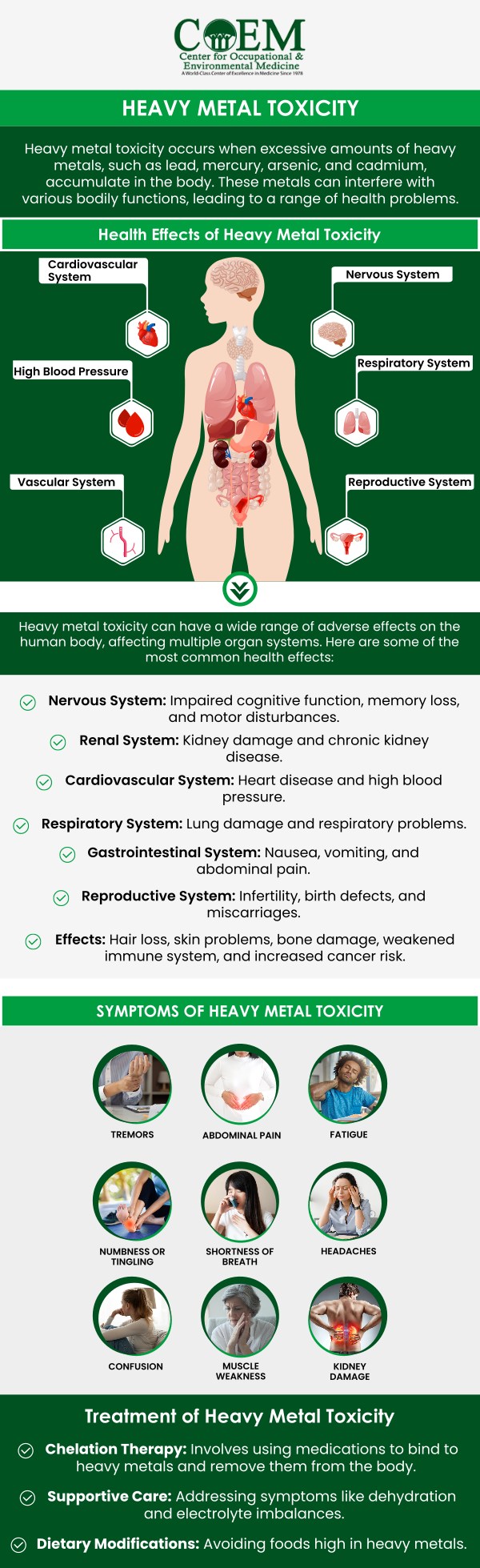
Table of Contents:
What are the symptoms of heavy metal toxicity in adults?
How does heavy metal toxicity affect the body?
Can heavy metal toxicity cause long-term health problems?
How does heavy metal toxicity affect the nervous system?
Board-Certified Dr. William J. Weirs, M.D: Recognizing the Symptoms of Heavy Metal Toxicity in Adults at COEM
Symptoms of heavy metal toxicity in adults often present across multiple systems and may evolve slowly, making them easy to overlook or misattribute. Common physical signs include persistent fatigue, headaches, tremors, abdominal discomfort, nausea, muscle weakness, shortness of breath, and unexplained hair or skin changes. Neurological symptoms such as numbness, tingling, memory changes, confusion, and difficulty with focus are frequently reported, particularly when metals such as lead or mercury accumulate over time.
As exposure continues, symptoms may expand to involve cardiovascular, renal, and respiratory function. Elevated blood pressure, vascular strain, kidney stress, and breathing difficulties may develop depending on the type of metal and duration of exposure. Cadmium and mercury can place strain on immune regulation, which can contribute to increased infections or delayed recovery. Reproductive health may also be affected, with some individuals experiencing fertility concerns or hormonal disruption.
Specialists at The Center for Occupational and Environmental Medicine (COEM) evaluate adults whose symptoms span multiple categories. Through extensive laboratory testing and a detailed environmental and occupational history, patterns of metal exposure can be identified even when symptoms appear disconnected. This approach allows underlying toxicity to be addressed.
Heavy metals affect the body by interfering with core biochemical and neurological processes. Once absorbed, metals such as lead, mercury, arsenic, and cadmium can disrupt enzyme activity, impair cellular energy production, and increase oxidative stress. This places ongoing strain on detoxification pathways and alters how organs communicate and function together, particularly the liver and kidneys. The nervous system is especially vulnerable due to the ability of certain metals to cross into neural tissue. Lead has been shown to disrupt GABA signaling, which plays a role in regulating intrusive or repetitive thought patterns, while mercury and cadmium can impair immune response and neurotransmitter balance. Arsenic exposure has been associated with dopamine disruption, affecting motivation, mood, and emotional resilience. These changes can influence cognition, emotional regulation, and overall neurological stability.
At COEM, physicians assess how metal toxicity is interacting with the individual’s unique biochemical profile. Evaluation considers how metals may be stored or affect downstream systems. Comprehensive assessment allows for treatment strategies that support detoxification while also stabilizing neurological, metabolic, and immune function.
Long-term heavy metal exposure has been associated with chronic health conditions that persist even after the initial exposure has ended. Metals can accumulate in bone, fat, and nervous tissue, continuing to exert effects over time. This ongoing burden may contribute to cardiovascular disease, chronic kidney dysfunction, immune suppression, and endocrine imbalance.
Neurological concerns are among the most significant long-term effects. Heavy metal accumulation has been linked to conditions such as Alzheimer’s disease, Parkinson’s disease, and other neurodegenerative processes. Cognitive decline, memory impairment, and reduced processing speed may gradually worsen if underlying toxicity is not identified and addressed. Mood disorders, including depression and anxiety, have also been associated with mercury and lead exposure due to their impact on neurotransmitter systems.
Physicians at COEM in Charleston, SC, focus on identifying these risks early through comprehensive diagnostic workups. By addressing heavy metal burden alongside nutritional status and metabolic resilience, long-term complications may be reduced. Treatment is guided by ongoing assessment, allowing care to evolve with the individual’s response.
Heavy metal toxicity can significantly impact nervous system function through direct and indirect mechanisms. Metals such as mercury, lead, and arsenic interfere with neurotransmitter signaling, synaptic communication, and neuronal energy production. This may present as brain fog, slowed cognition, tremors, balance issues, or changes in sensory perception. Lead exposure has been associated with disruption of GABA balance, which can contribute to heightened anxiety and difficulty regulating persistent thought cycles. Mercury has been linked to mood instability, depression, and increased allergic responses, while arsenic exposure may impair dopamine pathways related to motivation and emotional regulation. These neurological effects can affect daily functioning, emotional resilience, and overall quality of life.
At COEM, neurological impact is evaluated using advanced laboratory testing and clinical assessment alongside symptoms. By examining how metal exposure intersects with immune function, neurotransmitter balance, and detoxification capacity, specialists can better understand the full scope of nervous system involvement. This allows treatment strategies to support neural recovery while reducing ongoing toxic burden.
Dr. William J. Weirs, MD, F.A.A.E.M., board-certified in emergency medicine, brings multidisciplinary experience in environmental and functional medicine to the evaluation of heavy metal toxicity. Assessments begin with a thorough review of occupational exposure, environmental risk factors, dietary sources, dental history, including amalgam fillings, and symptom progression over time.
COEM utilizes comprehensive diagnostic testing to evaluate metal burden and its physiological impact. Pre-chelation screening follows protocols to ensure patient safety. When indicated, treatment may include chelation therapy. Care also addresses electrolyte balance, hydration status, and nutritional support to protect essential minerals during detoxification.
Under a team of multidisciplinary specialists, individualized treatment plans are developed to reflect each patient’s biochemical uniqueness. COEM is sought out worldwide for its depth of expertise, advanced laboratory capabilities, and careful management of complex environmental and occupational health conditions.
The Center for Occupational and Environmental Medicine (COEM) provides a variety of heavy metal toxicity screening and treatment. For more information, contact us today or schedule an appointment online. We are conveniently located at 7510 North Forest Drive North Charleston, SC 29420. We serve patients from Charleston SC, Mount Pleasant SC, Summerville SC, North Charleston SC, Goose Creek SC, Ladson SC, Hanahan SC, James Island SC, John’s Island SC, Daniel Island SC, West Ashley SC, Moncks Corner SC, Sullivans Island SC, Folly Beach SC, Isle of Palms SC and all of South Carolina, Nationally, and Internationally. Patients routinely fly into Charleston to be evaluated by COEM and to enjoy this beautiful city, which is a Condé Nast and Travel and Leisure Top Domestic and International Tourist Destination.

Check Out Our 5 Star Reviews


Additional Services You May Like
- Functional Medicine
- Allergy and Autoimmunity
- Asthma and COPD
- Autoimmune Diseases
- Allergy and Immunology
- Anti Aging Medicine
- Autism and Children
- ADHD
- Bacterial Infections
- Chemical Toxicity
- Candida Fungal Problems
- Cancer Treatment
- Chronic Illness
- Chronic Inflammatory Response Syndrome (CIRS)
- Chronic Fatigue
- Cardiovascular Disease
- Carbon Monoxide Poisoning
- Chelation Therapy
- Depression
- Environmental Medicine
- Ear Ringing and Dizziness
- Fatigue Treatment
- Fertility and Preconception Care
- Gut Health
- GI 360 Test
- Heavy Metal Toxicity
- Hormonal Imbalances
- Headaches and Migraines
- Hormone Balancing (Men & Women)
- Hepatitis
- Integrative Medicine
- Independent Medical Evaluations
- Influenza
- Lab Testing
- Mold Toxicity
- Malnutrition
- Neurodegenerative Disease
- Natural Hormone Balancing For Women
- Preservative-Free IV Therapy
- Stomach Acid Imbalance
- Smoking Cessation Program
- Skin Therapy (Anti-Aging)
- Swine Flu
- Thyroid
- Mold Toxicity
- Vitamin D
- Weight Loss Program
- Women’s Breast Health Formula
Additional Services You May Like
- Functional Medicine
- Allergy and Autoimmunity
- Asthma and COPD
- Autoimmune Diseases
- Allergy and Immunology
- Anti Aging Medicine
- Autism and Children
- ADHD
- Bacterial Infections
- Chemical Toxicity
- Candida Fungal Problems
- Cancer Treatment
- Chronic Illness
- Chronic Fatigue
- Cardiovascular Disease
- Chronic Inflammatory Response Syndrome (CIRS)
- Carbon Monoxide Poisoning
- Chelation Therapy
- Depression
- Environmental Medicine
- Ear Ringing and Dizziness
- Fatigue Treatment
- Fertility and Preconception Care
- Gut Health
- GI 360 Test
- Heavy Metal Toxicity
- Hormonal Imbalances
- Headaches and Migraines
- Hormone Balancing (Men & Women)
- Hepatitis
- Integrative Medicine
- Independent Medical Evaluations
- Influenza
- Lab Testing
- Mold Toxicity
- Malnutrition
- Neurodegenerative Disease
- Natural Hormone Balancing For Women
- Preservative-Free IV Therapy
- Stomach Acid Imbalance
- Smoking Cessation Program
- Skin Therapy (Anti-Aging)
- Swine Flu
- Thyroid
- Mold Toxicity
- Vitamin D
- Weight Loss Program
- Women’s Breast Health Formula



 VIP Referral
 Send Text
 How May I Help You?