


Advanced Lab Testing and the Difference Between Normal and Optimal Health
Advanced lab testing and the difference between normal and optimal health focuses on understanding how standard lab ranges differ from optimal functional ranges. While “normal” results may indicate no disease, they do not always reflect ideal physiological performance or early imbalances. Advanced testing helps identify subtle disruptions to support more personalized and preventive functional medicine care at the Center for Occupational and Environmental Medicine (COEM), Dr. William J. Weirs, MD, and the team. For more information, contact us today or book an appointment online. We are conveniently located at 7510 North Forest Drive North Charleston, SC 29420. Patients routinely fly in to be evaluated by COEM, as we serve patients nationally and internationally. Find out if you have been exposed, extensive lab testing is available.
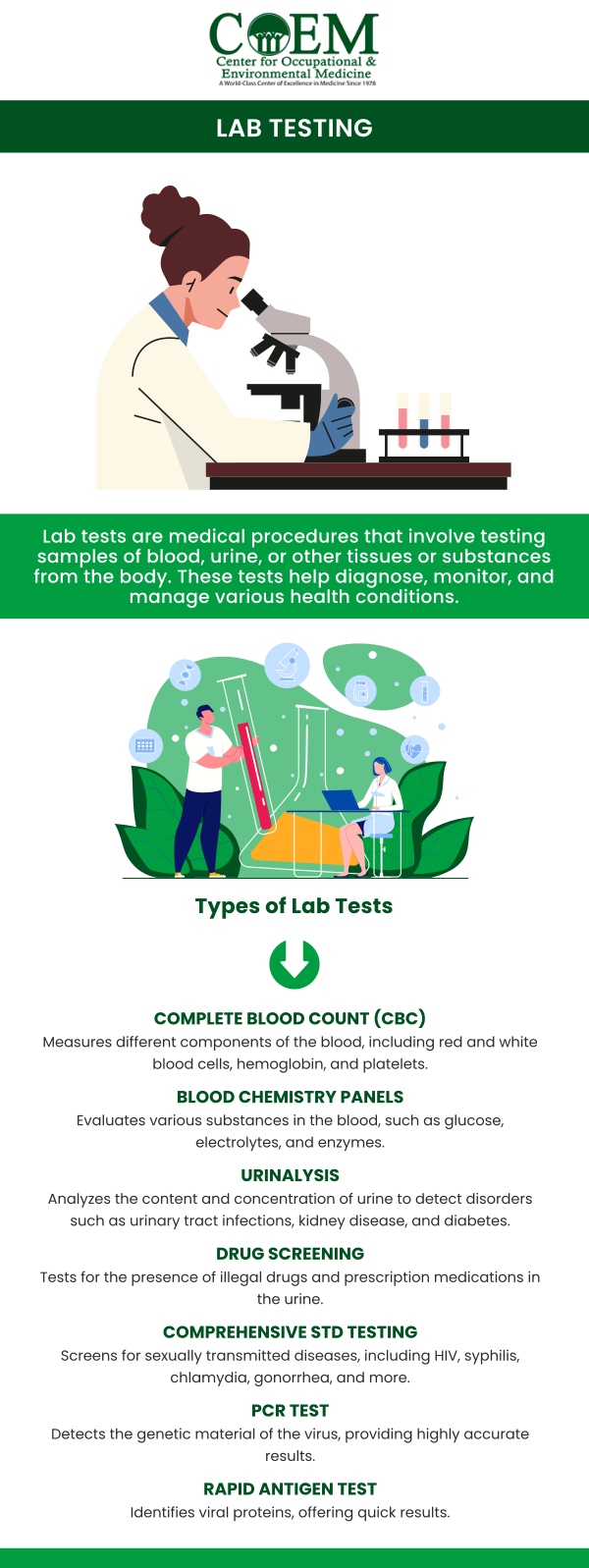
Table of Contents:
What is the difference between normal lab ranges and optimal health ranges?
Why can “normal” lab results still indicate underlying health issues?
How does advanced lab testing help identify optimal health markers?
What does functional medicine consider when evaluating optimal health levels?
Understanding Optimal Health vs Normal Ranges at the Center for Occupational and Environmental Medicine (COEM) with Dr. William J. Weirs, MD
Standard lab ranges are established to identify disease or significant abnormalities in the population. These “normal” reference ranges indicate what is typical for a broad group of people, not necessarily what is ideal for every individual. A lab result that falls within a normal range may still mask subtle imbalances or early dysfunction that can impact long‑term health if left unaddressed. In other words, normal lab values do not always reflect optimal physiology.
Understanding optimal health goes beyond simply being within the statistical normal range. At the Center for Occupational and Environmental Medicine (COEM), Dr. William J. Weirs, MD, focuses on identifying lab values that support peak metabolic function, immune balance, hormonal harmony, and overall well‑being. By interpreting labs through a functional medicine lens, providers can intervene earlier, tailor care to individual needs, and help patients achieve true health optimization rather than just the absence of disease.
A lab result within the standard normal range may still fall at the low or high end of that range, which can be significant for a given individual. For example, a hormone, nutrient, or metabolic marker might be within “normal,” yet not sufficient to support optimal energy, immune function, or mood. Many chronic symptoms emerge when lab values are technically normal but not optimal for that person’s unique physiology and lifestyle demands.
At COEM, Dr. William J. Weirs, MD, interprets lab testing beyond textbook cutoffs. This approach identifies patterns, trends, and subtle shifts that may signal early dysfunction before disease develops. With advanced lab interpretation, patients benefit from proactive care that addresses root causes rather than waiting for a condition to become more serious or symptomatic.
Advanced lab testing includes comprehensive panels that evaluate metabolic function, hormones, inflammation, immune activity, detoxification pathways, and nutrient status. These tests often assess detailed biomarkers, ratios, and functional indicators that provide a deeper understanding of how the body is truly performing beyond basic screening.
Unlike standard lab work that focuses on limited reference ranges, advanced testing helps identify subtle imbalances that may affect energy, mood, metabolism, and overall health. This allows for a more precise and individualized approach to care, supporting the identification of optimal health markers rather than just detecting disease.
Functional medicine evaluates lab results in the context of each person’s medical history, symptoms, environment, lifestyle, genetics, and overall health goals. It considers how daily habits and external exposures influence internal balance. Rather than focusing only on isolated lab values, it examines how multiple systems interact. This approach helps identify subtle dysfunctions that may not appear in standard testing. The goal is to understand overall physiological balance in a more complete and personalized way.
Instead of treating numbers in isolation, functional medicine identifies underlying patterns and root causes of imbalance. It connects symptoms with biological, environmental, and lifestyle factors. This allows for a deeper understanding of why health issues develop over time. Care strategies are then designed to restore balance rather than simply manage symptoms. The focus is on improving long-term function, resilience, and overall health outcomes.
Understanding the difference between optimal health and normal lab ranges is essential for identifying early imbalances in the body. Standard laboratory ranges are designed to detect disease, meaning results are compared to a broad population average rather than what is truly ideal for individual health. As a result, a person can appear “normal” on paper while still experiencing symptoms such as fatigue, hormonal imbalance, or metabolic dysfunction.
At The Center for Occupational and Environmental Medicine (COEM), Dr. William J. Weirs, MD, brings a deep clinical background to patient care as a former emergency room physician, Fellow in Environmental Medicine, Fellow in Integrative Medicine, and provider with extensive training in Functional Medicine. His approach focuses on optimal ranges rather than basic reference values, allowing for a deeper interpretation of lab results to identify subtle dysfunctions before they progress into chronic conditions. By looking beyond standard cutoffs, care is tailored to support better energy, hormone balance, immune function, and long-term health optimization. For more information, contact us today or book an appointment online. We are conveniently located at 7510 North Forest Drive North Charleston, SC 29420. We serve patients from Charleston SC, Mount Pleasant SC, Summerville SC, North Charleston SC, Goose Creek SC, Ladson SC, Hanahan SC, James Island SC, John’s Island SC, Daniel Island SC, West Ashley SC, Moncks Corner SC, Sullivans Island SC, Folly Beach SC, Isle of Palms SC and all of South Carolina, Nationally, and Internationally. Patients routinely fly into Charleston to be evaluated by COEM and to enjoy this beautiful city, which is a Condé Nast and Travel and Leisure Top Domestic and International Tourist Destination.

Check Out Our 5 Star Reviews


Additional Services You May Like
- Functional Medicine
- Allergy and Autoimmunity
- Asthma and COPD
- Autoimmune Diseases
- Allergy and Immunology
- Anti Aging Medicine
- Autism and Children
- ADHD
- Bacterial Infections
- Chemical Toxicity
- Candida Fungal Problems
- Cancer Treatment
- Chronic Illness
- Chronic Inflammatory Response Syndrome (CIRS)
- Chronic Fatigue
- Cardiovascular Disease
- Carbon Monoxide Poisoning
- Chelation Therapy
- Depression
- Environmental Medicine
- Ear Ringing and Dizziness
- Fatigue Treatment
- Fertility and Preconception Care
- Gut Health
- GI 360 Test
- Heavy Metal Toxicity
- Hormonal Imbalances
- Headaches and Migraines
- Hormone Balancing (Men & Women)
- Hepatitis
- Integrative Medicine
- Independent Medical Evaluations
- Influenza
- Lab Testing
- Mold Toxicity
- Malnutrition
- Neurodegenerative Disease
- Natural Hormone Balancing For Women
- Preservative-Free IV Therapy
- Stomach Acid Imbalance
- Smoking Cessation Program
- Skin Therapy (Anti-Aging)
- Swine Flu
- Thyroid
- Mold Toxicity
- Vitamin D
- Weight Loss Program
- Women’s Breast Health Formula
Additional Services You May Like
- Functional Medicine
- Allergy and Autoimmunity
- Asthma and COPD
- Autoimmune Diseases
- Allergy and Immunology
- Anti Aging Medicine
- Autism and Children
- ADHD
- Bacterial Infections
- Chemical Toxicity
- Candida Fungal Problems
- Cancer Treatment
- Chronic Illness
- Chronic Fatigue
- Cardiovascular Disease
- Chronic Inflammatory Response Syndrome (CIRS)
- Carbon Monoxide Poisoning
- Chelation Therapy
- Depression
- Environmental Medicine
- Ear Ringing and Dizziness
- Fatigue Treatment
- Fertility and Preconception Care
- Gut Health
- GI 360 Test
- Heavy Metal Toxicity
- Hormonal Imbalances
- Headaches and Migraines
- Hormone Balancing (Men & Women)
- Hepatitis
- Integrative Medicine
- Independent Medical Evaluations
- Influenza
- Lab Testing
- Mold Toxicity
- Malnutrition
- Neurodegenerative Disease
- Natural Hormone Balancing For Women
- Preservative-Free IV Therapy
- Stomach Acid Imbalance
- Smoking Cessation Program
- Skin Therapy (Anti-Aging)
- Swine Flu
- Thyroid
- Mold Toxicity
- Vitamin D
- Weight Loss Program
- Women’s Breast Health Formula



 VIP Referral
 Send Text
 How May I Help You?