


How Can Functional Medicine Help Treat Chronic Inflammatory Response Syndrome (CIRS)?
The Center for Occupational and Environmental Medicine (COEM), Board-Certified Dr. William J. Weirs, MD, and the team use a functional medicine approach to help evaluate Chronic Inflammatory Response Syndrome (CIRS) by focusing on the connection between environmental factors, immune responses, inflammation, and overall health. Through a comprehensive review of symptoms, health history, and potential triggers, Dr. William J. Weirs, MD, and the COEM team develop personalized care strategies designed to address individual needs and support the body’s natural ability to restore balance and improve wellness. For more information, contact us today or book an appointment online. We are conveniently located at 7510 North Forest Drive North Charleston, SC 29420. Patients routinely fly in to be evaluated by COEM, as we serve patients nationally and internationally. Find out if you have been exposed, extensive lab testing is available.
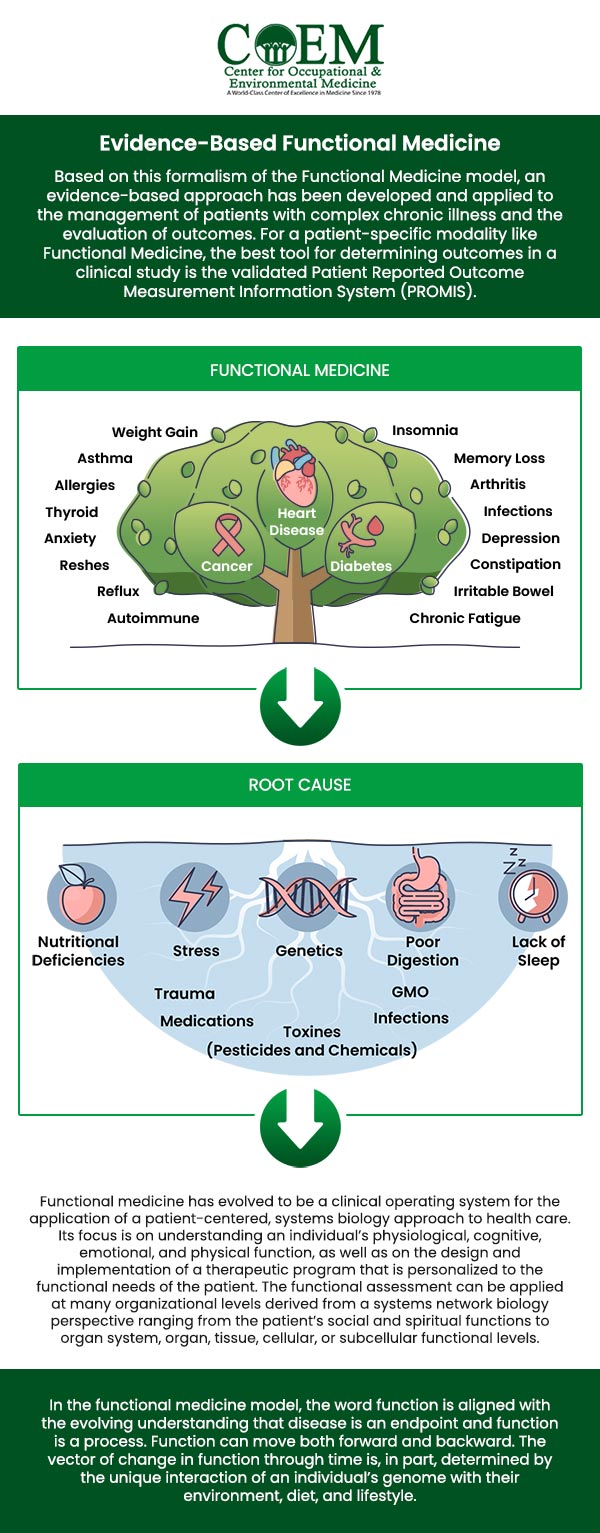
Table of Contents:
How does functional medicine approach CIRS from a whole-body perspective?
Understanding the different factors involved in CIRS evaluation
What factors does a functional medicine doctor evaluate when managing CIRS?
How can personalized functional medicine care support CIRS recovery?
Creating a care approach that adapts to individual needs
Why is identifying environmental triggers important in CIRS management?
How Does The Center for Occupational and Environmental Medicine (COEM), Board-Certified Dr. William J. Weirs, MD, and the Team Approach CIRS Through Functional Medicine?
Functional medicine approaches Chronic Inflammatory Response Syndrome (CIRS) by looking beyond individual symptoms and examining how different factors may interact within the body. Rather than focusing only on one area of concern, this approach considers the relationship between environmental influences, immune responses, inflammation patterns, and overall health. Since CIRS-related concerns can involve multiple symptoms and body systems, understanding the bigger picture can provide valuable insight into possible contributors affecting a person’s wellness.
A whole-body perspective focuses on identifying patterns that may help explain why certain symptoms develop or continue. Factors such as exposure history, changes in health over time, lifestyle influences, and the way different systems of the body work together may all be considered during an evaluation.
A functional medicine approach may consider several areas when evaluating CIRS-related concerns, including:
• Environmental influences: Reviewing possible exposure history and factors that may contribute to health changes.
• Immune responses: Understanding how the body reacts to environmental challenges and inflammatory triggers.
• Symptom patterns: Looking at when symptoms began, how they have changed, and how they affect daily life.
• Overall health factors: Considering lifestyle, nutrition, and other influences that may impact wellness.
By connecting these different areas, functional medicine aims to develop a clearer understanding of the individual’s health experience. This approach focuses on identifying possible contributors rather than addressing symptoms separately, allowing for a more comprehensive evaluation process.
When managing CIRS, a functional medicine doctor evaluates multiple factors that may influence how the body responds to environmental challenges. Since each person may experience different symptoms and health concerns, a detailed evaluation is important for understanding the unique factors involved in each case.
The process may begin with reviewing a person’s health history, including symptom development, previous health concerns, lifestyle factors, and possible environmental exposures. Understanding when symptoms appeared and whether they are connected to specific environments or situations can provide important information during the evaluation.
A functional medicine evaluation may also consider how different body systems interact. Areas related to immune function, inflammation, energy levels, cognitive health, digestion, and overall wellness may be reviewed to better understand possible connections between symptoms and contributing factors.
Rather than relying on one symptom or one piece of information, this approach gathers multiple details to create a more complete picture. Reviewing these patterns can help identify areas that may require additional attention and support the development of a more individualized care strategy.
Personalized functional medicine care for CIRS focuses on understanding the individual factors that may influence a person’s health concerns. Because CIRS can affect people differently, a customized approach allows care strategies to be based on each person’s symptoms, health history, environmental factors, and wellness goals.
A personalized approach may involve evaluating possible contributors identified during the assessment process and developing strategies that align with the individual’s needs. Instead of following a standard approach for every person, functional medicine emphasizes ongoing review and adjustments based on how the individual responds over time.
One important aspect of personalized functional medicine care is continued evaluation. Health concerns and symptoms may change over time, so reviewing progress and adjusting strategies can help ensure the approach remains appropriate for the individual.
This process may include:
• Monitoring changes in symptoms and overall wellness
• Reviewing responses to personalized health strategies
• Considering new information from evaluations or assessments
• Adjusting recommendations based on individual progress
By focusing on the connection between environmental factors, body systems, and personal health patterns, functional medicine provides a structured approach that supports a deeper understanding of CIRS-related concerns.
Identifying environmental triggers is an important part of CIRS management because environmental factors may influence how the body responds. For individuals experiencing symptoms associated with environmental exposures, understanding possible sources of exposure can provide important context during the evaluation process.
Environmental history can help identify patterns between a person’s surroundings and changes in their health. Factors such as workplace environments, living conditions, and other exposure sources may be reviewed to better understand potential contributors.
A comprehensive approach considers not only the presence of possible environmental triggers but also how the body responds to them. This helps create a more complete understanding of the relationship between environmental factors and individual health concerns.
By recognizing possible environmental influences, functional medicine can help guide a more targeted approach focused on understanding contributing factors and supporting overall wellness. Evaluating the connection between a person’s environment, immune response, and health patterns allows for a more personalized perspective on managing CIRS-related concerns.
The Center for Occupational and Environmental Medicine (COEM), Board-Certified Dr. William J. Weirs, MD, and the team approach Chronic Inflammatory Response Syndrome (CIRS) through a comprehensive functional medicine model that focuses on identifying factors that may contribute to inflammation and complex symptoms. This approach evaluates the relationship between environmental exposures, immune system responses, and multiple body systems to better understand how these factors may affect overall health.
Dr. William J. Weirs, MD, and the COEM team use a personalized approach that considers each patient’s health history, symptoms, environmental factors, and individual needs. Through detailed evaluation, appropriate testing, and ongoing symptom tracking, the team focuses on identifying possible contributors to CIRS and developing individualized strategies designed to support immune balance, reduce symptom burden, and improve overall wellness. For more information, contact us today or book an appointment online. We are conveniently located at 7510 North Forest Drive North Charleston, SC 29420. We serve patients from Charleston SC, Mount Pleasant SC, Summerville SC, North Charleston SC, Goose Creek SC, Ladson SC, Hanahan SC, James Island SC, John’s Island SC, Daniel Island SC, West Ashley SC, Moncks Corner SC, Sullivans Island SC, Folly Beach SC, Isle of Palms SC and all of South Carolina, Nationally, and Internationally. Patients routinely fly into Charleston to be evaluated by COEM and to enjoy this beautiful city, which is a Condé Nast and Travel and Leisure Top Domestic and International Tourist Destination.

Check Out Our 5 Star Reviews


Additional Services You May Like
- Functional Medicine
- Allergy and Autoimmunity
- Asthma and COPD
- Autoimmune Diseases
- Allergy and Immunology
- Anti Aging Medicine
- Autism and Children
- ADHD
- Bacterial Infections
- Chemical Toxicity
- Candida Fungal Problems
- Cancer Treatment
- Chronic Illness
- Chronic Inflammatory Response Syndrome (CIRS)
- Chronic Fatigue
- Cardiovascular Disease
- Carbon Monoxide Poisoning
- Chelation Therapy
- Depression
- Environmental Medicine
- Ear Ringing and Dizziness
- Fatigue Treatment
- Fertility and Preconception Care
- Gut Health
- GI 360 Test
- Heavy Metal Toxicity
- Hormonal Imbalances
- Headaches and Migraines
- Hormone Balancing (Men & Women)
- Hepatitis
- Integrative Medicine
- Independent Medical Evaluations
- Influenza
- Lab Testing
- Mold Toxicity
- Malnutrition
- Neurodegenerative Disease
- Natural Hormone Balancing For Women
- Preservative-Free IV Therapy
- Stomach Acid Imbalance
- Smoking Cessation Program
- Skin Therapy (Anti-Aging)
- Swine Flu
- Thyroid
- Mold Toxicity
- Vitamin D
- Weight Loss Program
- Women’s Breast Health Formula
Additional Services You May Like
- Functional Medicine
- Allergy and Autoimmunity
- Asthma and COPD
- Autoimmune Diseases
- Allergy and Immunology
- Anti Aging Medicine
- Autism and Children
- ADHD
- Bacterial Infections
- Chemical Toxicity
- Candida Fungal Problems
- Cancer Treatment
- Chronic Illness
- Chronic Fatigue
- Cardiovascular Disease
- Chronic Inflammatory Response Syndrome (CIRS)
- Carbon Monoxide Poisoning
- Chelation Therapy
- Depression
- Environmental Medicine
- Ear Ringing and Dizziness
- Fatigue Treatment
- Fertility and Preconception Care
- Gut Health
- GI 360 Test
- Heavy Metal Toxicity
- Hormonal Imbalances
- Headaches and Migraines
- Hormone Balancing (Men & Women)
- Hepatitis
- Integrative Medicine
- Independent Medical Evaluations
- Influenza
- Lab Testing
- Mold Toxicity
- Malnutrition
- Neurodegenerative Disease
- Natural Hormone Balancing For Women
- Preservative-Free IV Therapy
- Stomach Acid Imbalance
- Smoking Cessation Program
- Skin Therapy (Anti-Aging)
- Swine Flu
- Thyroid
- Mold Toxicity
- Vitamin D
- Weight Loss Program
- Women’s Breast Health Formula



 VIP Referral
 Send Text
 How May I Help You?