


Peptide Therapy in Charleston, SC
At the Center for Occupational and Environmental Medicine (COEM) in Charleston, SC, peptide therapy is a cutting-edge treatment designed to optimize health and promote overall wellness. Through a personalized approach, peptides are used to enhance metabolism, improve muscle recovery, support immune function, and aid in hormone regulation. Dr. William J. Weirs tailors each peptide therapy plan based on individual needs, helping patients achieve long-term vitality. By targeting the root causes of health issues, peptide therapy unlocks your body’s full potential for improved performance and well-being. For more information, contact us today or schedule an appointment online. We are conveniently located at 7510 North Forest Drive North Charleston, SC 29420. Patients routinely fly in to be evaluated by COEM, as we serve patients nationally and internationally. Find out if you have been exposed, extensive lab testing is available.
Disclaimer: Peptide therapy results may vary and are not guaranteed. Peptides may not be appropriate for all individuals, including those with certain underlying health conditions. Patients should review potential risks, side effects, and contraindications with a healthcare provider and complete a peptide disclaimer and informed consent form before starting treatment.
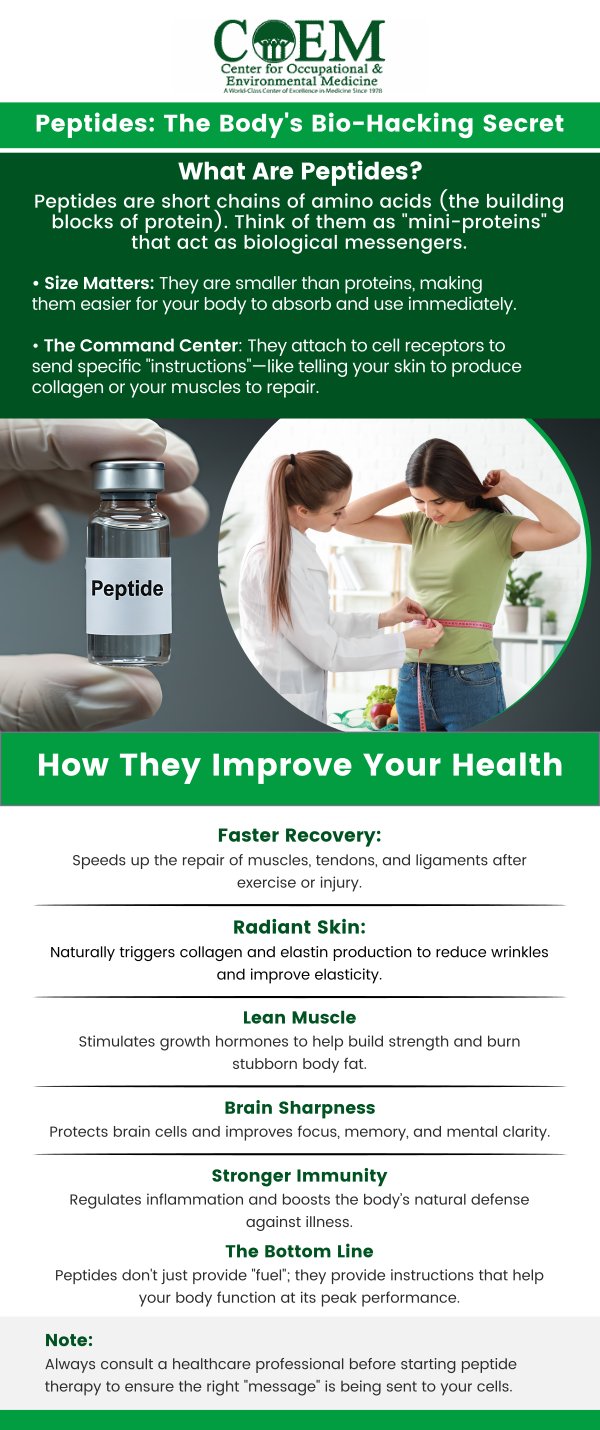
Table of Contents:
Who is a good candidate for Peptide Therapy?
Can Peptide Therapy be used alongside other treatments?
What types of peptides are used in therapy?
What should I expect during a Peptide Therapy consultation?
How many sessions are required for peptide therapy?
Peptide Therapy in Charleston, SC: Unlock Your Body’s Full Potential with Dr. William J. Weirs at COEM
Peptide therapy is an excellent option for individuals looking to enhance their health, address specific concerns, or optimize bodily functions. A good candidate for peptide therapy is typically someone dealing with issues such as age-related hormone decline, muscle loss, low energy, slow recovery from injuries, or metabolic imbalances. Peptides act as signaling molecules, triggering natural processes in the body, such as hormone production, tissue regeneration, and immune modulation. This therapy is ideal for individuals seeking an alternative or complementary treatment to traditional medicine to boost vitality, improve physical performance, or speed up recovery.
Patients who are otherwise healthy but experiencing a decline in physical function due to aging or injury can benefit from peptide therapy. Additionally, those with chronic conditions that affect immune function, healing, or hormone production may see improvements from peptides that stimulate regeneration or support immune balance. However, it is essential for individuals to undergo a consultation with a healthcare provider to determine if peptide therapy is suitable based on their unique health conditions, treatment history, and goals.
Yes, peptide therapy can often be used alongside other treatments, especially when combined with a holistic approach to health and wellness. Since peptides work by signaling the body’s natural processes, they typically complement other therapeutic strategies, such as nutritional optimization, physical therapy, and hormone replacement therapy. For example, peptides that support muscle growth and recovery can be integrated with exercise programs to enhance physical performance and accelerate muscle regeneration after intense physical activity. Similarly, peptides that focus on immune support can work synergistically with other treatments designed to manage chronic conditions like autoimmune disorders.
In clinical settings, healthcare providers may tailor peptide therapy to fit alongside existing treatment plans, making adjustments to ensure that they support one another rather than conflicting. For example, peptide therapy might be used in combination with lifestyle changes or medications designed to manage metabolic conditions like obesity or diabetes. The key is that peptides interact with the body’s signaling systems, which means they can often be a complementary option without interfering with other conventional or alternative therapies.
Peptides used in therapy vary greatly depending on the specific health goals of the patient. Some of the most commonly used peptides include growth hormone-releasing peptides such as Ipamorelin and Sermorelin, which help stimulate the body’s production of growth hormone to support muscle growth, fat loss, and recovery. Another group includes immune-modulating peptides, like Thymosin Alpha-1, which support the immune system by enhancing its ability to respond to infections and reduce inflammation. Tissue-repair peptides, such as BPC-157 and TB-500, are used to promote healing in connective tissues and muscles, making them beneficial for patients recovering from injuries or surgeries.
In addition, there are metabolic peptides, such as MOTS-c, that help regulate mitochondrial function and improve energy production at the cellular level. These peptides are used to support weight loss, increase stamina, and improve overall metabolic health. Other peptides, like collagen-stimulating peptides, focus on improving skin elasticity and joint health, making them popular in aesthetic and anti-aging treatments. The type of peptide chosen is based on the specific needs and health objectives of the patient, ensuring a personalized treatment plan.
During a peptide therapy consultation, you can expect a thorough evaluation by a qualified healthcare provider who will assess your health history, symptoms, and goals. The consultation will typically begin with a detailed discussion of your lifestyle, current treatments, and any underlying health conditions that may benefit from peptide therapy. The provider may also conduct some laboratory tests to check levels of hormones, inflammation markers, and other factors relevant to your health. Based on the findings, they will recommend a peptide protocol that aligns with your health needs, such as improving muscle mass, enhancing cognitive function, or supporting immune health.
The provider will explain the specific peptides being recommended, how they work, and the expected outcomes from the therapy. They will also provide an overview of the treatment plan, including how often you will need sessions, how the peptides will be administered, and what kind of follow-up care or assessments are necessary. The consultation may also address potential side effects, how peptide therapy integrates with other treatments, and realistic expectations regarding the time it takes to see results.
The number of sessions required for peptide therapy depends on the specific peptide being used, the condition being treated, and individual patient factors. Some peptides, like those used for muscle recovery or growth hormone stimulation, may require a series of sessions over several weeks or months to achieve noticeable results. For instance, peptides like Sermorelin or Ipamorelin may be administered on a regular basis for about 2 to 3 months to help optimize growth hormone levels. In contrast, immune-modulating peptides or those focused on healing may require fewer sessions, typically spanning several weeks to address acute concerns, with follow-up maintenance sessions if needed.
While some individuals may experience improvements after just a few sessions, peptide therapy is often most effective when administered as part of a long-term plan. Ongoing treatments may be recommended to maintain optimal levels or to address chronic conditions. During follow-up consultations, your provider will assess progress, adjust dosing, and modify treatment plans to ensure that your goals are being met effectively. The frequency of sessions will depend on your unique response and the specific peptides involved in your therapy.
At the Center for Occupational and Environmental Medicine (COEM) in Charleston, SC, peptide therapy is integrated into personalized wellness plans designed to optimize your health and fitness goals. Each peptide therapy program begins with a comprehensive health evaluation, where Dr. William J. Weirs assesses laboratory results, metabolic markers, hormone levels, and medical history. This thorough assessment ensures that peptide therapies are tailored to your specific needs, promoting effective treatment and long-term health benefits. The doctor also evaluates how peptides can complement other treatments or lifestyle changes, creating a holistic approach to achieving your optimal health.
Peptide therapy at COEM addresses a range of health concerns, including weight management, fatigue, physical injury recovery, and skin health. Certain peptides help regulate metabolism, while others promote growth hormone production or tissue regeneration, supporting overall vitality and recovery. These therapies are seamlessly incorporated into broader wellness plans that include personalized nutritional advice, exercise regimens, and medical treatments. By addressing health issues at a molecular level, peptide therapy enhances both immediate recovery and long-term wellness, helping you unlock your body’s full potential under the guidance of Dr. Weirs. For more information, contact us today or schedule an appointment online. We are conveniently located at 7510 North Forest Drive North Charleston, SC 29420. We serve patients from Charleston SC, Mount Pleasant SC, Summerville SC, North Charleston SC, Goose Creek SC, Ladson SC, Hanahan SC, James Island SC, John’s Island SC, Daniel Island SC, West Ashley SC, Moncks Corner SC, Sullivans Island SC, Folly Beach SC, Isle of Palms SC and all of South Carolina, Nationally, and Internationally. Patients routinely fly into Charleston to be evaluated by COEM and to enjoy this beautiful city, which is a Condé Nast and Travel and Leisure Top Domestic and International Tourist Destination.

Check Out Our 5 Star Reviews


Additional Services You May Like
- Functional Medicine
- Allergy and Autoimmunity
- Asthma and COPD
- Autoimmune Diseases
- Allergy and Immunology
- Anti Aging Medicine
- Autism and Children
- ADHD
- Bacterial Infections
- Chemical Toxicity
- Candida Fungal Problems
- Cancer Treatment
- Chronic Illness
- Chronic Inflammatory Response Syndrome (CIRS)
- Chronic Fatigue
- Cardiovascular Disease
- Carbon Monoxide Poisoning
- Chelation Therapy
- Depression
- Environmental Medicine
- Ear Ringing and Dizziness
- Fatigue Treatment
- Fertility and Preconception Care
- Gut Health
- GI 360 Test
- Heavy Metal Toxicity
- Hormonal Imbalances
- Headaches and Migraines
- Hormone Balancing (Men & Women)
- Hepatitis
- Integrative Medicine
- Independent Medical Evaluations
- Influenza
- Lab Testing
- Mold Toxicity
- Malnutrition
- Neurodegenerative Disease
- Natural Hormone Balancing For Women
- Preservative-Free IV Therapy
- Stomach Acid Imbalance
- Smoking Cessation Program
- Skin Therapy (Anti-Aging)
- Swine Flu
- Thyroid
- Mold Toxicity
- Vitamin D
- Weight Loss Program
- Women’s Breast Health Formula
Additional Services You May Like
- Functional Medicine
- Allergy and Autoimmunity
- Asthma and COPD
- Autoimmune Diseases
- Allergy and Immunology
- Anti Aging Medicine
- Autism and Children
- ADHD
- Bacterial Infections
- Chemical Toxicity
- Candida Fungal Problems
- Cancer Treatment
- Chronic Illness
- Chronic Fatigue
- Cardiovascular Disease
- Chronic Inflammatory Response Syndrome (CIRS)
- Carbon Monoxide Poisoning
- Chelation Therapy
- Depression
- Environmental Medicine
- Ear Ringing and Dizziness
- Fatigue Treatment
- Fertility and Preconception Care
- Gut Health
- GI 360 Test
- Heavy Metal Toxicity
- Hormonal Imbalances
- Headaches and Migraines
- Hormone Balancing (Men & Women)
- Hepatitis
- Integrative Medicine
- Independent Medical Evaluations
- Influenza
- Lab Testing
- Mold Toxicity
- Malnutrition
- Neurodegenerative Disease
- Natural Hormone Balancing For Women
- Preservative-Free IV Therapy
- Stomach Acid Imbalance
- Smoking Cessation Program
- Skin Therapy (Anti-Aging)
- Swine Flu
- Thyroid
- Mold Toxicity
- Vitamin D
- Weight Loss Program
- Women’s Breast Health Formula



 VIP Referral
 Send Text
 How May I Help You?