


Comprehensive Thyroid Testing in Charleston, SC
Comprehensive thyroid testing in Charleston, SC, is designed to assess hormone balance, metabolism, and energy levels for a clearer understanding of overall health and accurate diagnosis. At the Center for Occupational and Environmental Medicine (COEM), Board Certified Dr. William J. Weirs, MD, and the team provide a patient-centered evaluation that reviews key thyroid markers to identify underlying imbalances affecting daily well-being, focusing on uncovering root causes rather than just symptoms to support personalized care, improved energy, and long-term metabolic health. For more information, contact us today or schedule an appointment online. We are conveniently located at 7510 North Forest Drive North Charleston, SC 29420. Patients routinely fly in to be evaluated by COEM, as we serve patients internationally. Find out if you have been exposed, extensive lab testing is available.
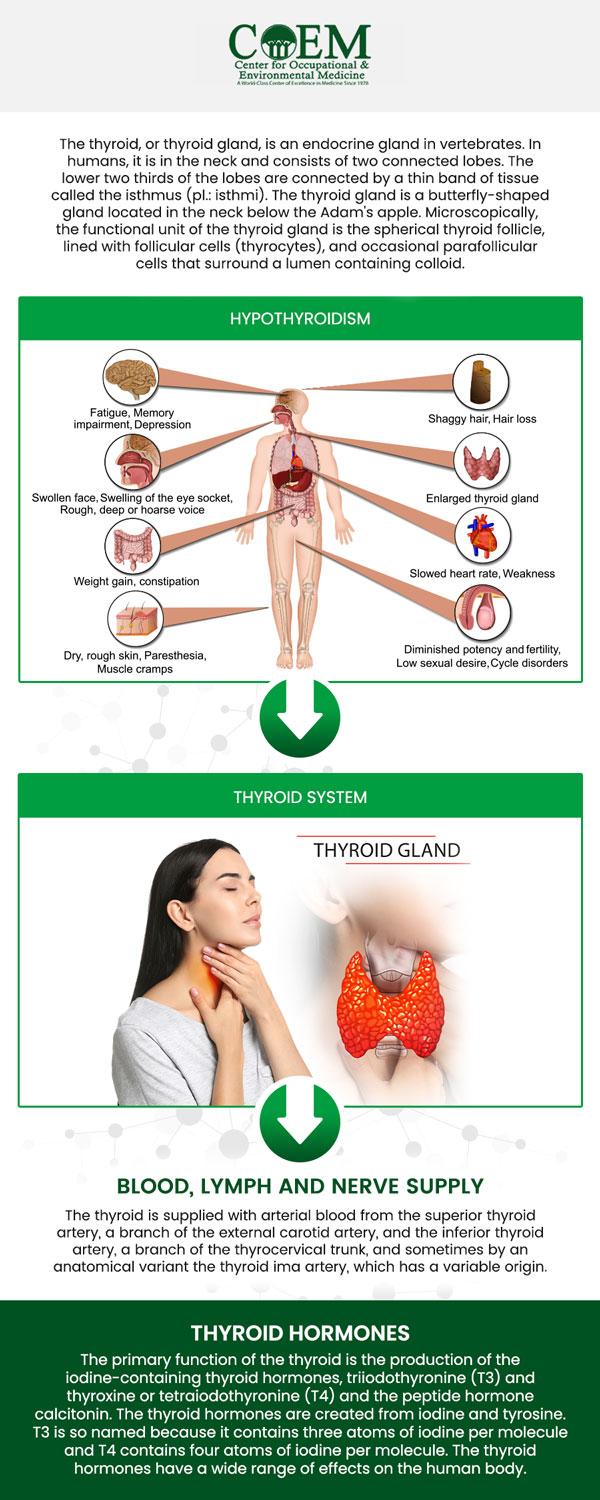
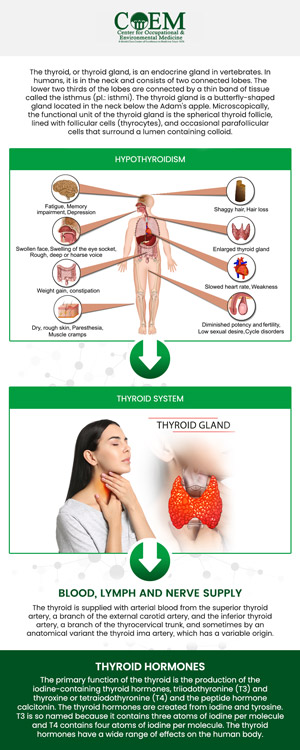
Table of Contents:
What is thyroid testing, and why is it important?
What does a TSH test measure?
How often should I get my thyroid checked?
Can thyroid tests detect hypothyroidism or hyperthyroidism?
Can thyroid testing help explain weight gain or fatigue?
Board Certified Dr. William J. Weirs, MD – Comprehensive Thyroid Testing in Charleston, SC at COEM
Thyroid testing is a group of blood tests used to evaluate how effectively the thyroid gland is functioning. The thyroid is a small but powerful gland located in the neck, and it plays a major role in regulating metabolism, energy production, body temperature, digestion, heart rate, mood, and overall hormonal balance. Because thyroid hormones affect nearly every system in the body, even small imbalances can lead to noticeable changes in how a person feels and functions.
The most commonly measured thyroid markers include TSH (thyroid-stimulating hormone), T3 (triiodothyronine), and T4 (thyroxine). TSH is produced by the pituitary gland and signals the thyroid to produce hormones, while T3 and T4 are the actual hormones released by the thyroid that regulate metabolism and energy use. Comprehensive thyroid testing may also include total T3 and total T4 hormone levels, free T3 and free T4 levels, the T3 ratio, and reverse T3 to better understand hormone production, conversion, and availability in the body. Together, these markers provide a more complete picture of thyroid health than any single test alone.
Thyroid Testing – getting the whole picture with comprehensive testing is important because thyroid dysfunction often develops gradually and can be easily mistaken for other health concerns. Symptoms such as fatigue, weight changes, brain fog, anxiety, depression, hair thinning, or sensitivity to temperature may all be linked to thyroid imbalance. Comprehensive testing helps identify these issues early, allowing for more effective and targeted treatment before symptoms significantly impact daily life and long-term health. Advanced thyroid testing can also help uncover autoimmune patterns, nutrient-related issues, inflammation, or environmental contributors that may affect thyroid function over time.
A TSH test measures the level of thyroid-stimulating hormone produced by the pituitary gland in the brain. This hormone acts as a messenger, signaling the thyroid gland to produce and release T3 and T4 hormones. Because of this regulatory relationship, TSH is often considered the primary screening marker for thyroid function.
When thyroid hormone levels in the blood are low, the pituitary gland responds by increasing TSH production in an effort to stimulate the thyroid to produce more hormones. On the other hand, when thyroid hormone levels are high, TSH production decreases as the body attempts to reduce stimulation of the thyroid. This feedback loop helps maintain hormonal balance in the body.
Although TSH is a valuable starting point for evaluating thyroid health, it does not always provide the full picture on its own. In some cases, individuals may have symptoms of thyroid dysfunction even when TSH levels appear within the normal range. For this reason, additional testing of T3, T4, and sometimes thyroid antibodies is often recommended to better understand overall thyroid function. A more complete panel may include total T3, total T4, free T3, free T4, reverse T3, and the T3 ratio to assess how well the body is producing, converting, and using thyroid hormones.
The frequency of thyroid testing depends on a person’s individual health status, symptoms, and medical history. For individuals diagnosed with thyroid disorders such as hypothyroidism or hyperthyroidism, regular monitoring is often necessary to ensure that treatment is effective and hormone levels remain stable over time. Medication adjustments may also require more frequent testing until an optimal balance is achieved.
For individuals without a known thyroid condition, testing is typically performed as part of routine wellness screening or when symptoms suggest a possible imbalance. Symptoms such as persistent fatigue, unexplained weight gain or loss, changes in mood, or difficulty concentrating may prompt earlier evaluation. Patients with a personal or family history of autoimmune disease, thyroid nodules, chronic inflammation, toxic mold exposure, or ongoing unexplained symptoms may benefit from a more comprehensive thyroid evaluation.
Thyroid Testing – getting the whole picture with comprehensive testing emphasizes the importance of ongoing monitoring rather than relying on a single lab result. Thyroid hormone levels can fluctuate due to stress, illness, lifestyle changes, or other underlying health conditions. Repeated testing over time allows providers to identify patterns, track changes, and make more informed decisions about care. In functional medicine, thyroid testing may also be reviewed alongside nutrition status, adrenal stress, gut health, inflammatory markers, and environmental exposures to better understand what may be affecting thyroid balance.
Thyroid blood tests are commonly used to diagnose both hypothyroidism (underactive thyroid) and hyperthyroidism (overactive thyroid). These conditions represent opposite ends of thyroid dysfunction but can share overlapping symptoms, making laboratory testing essential for accurate diagnosis.
In hypothyroidism, the thyroid does not produce enough hormones, leading to elevated TSH levels as the body tries to stimulate increased production. T3 and T4 levels are typically low in this condition. Common symptoms may include fatigue, weight gain, dry skin, constipation, and sensitivity to cold. In hyperthyroidism, the thyroid produces excessive hormones, resulting in suppressed TSH levels and elevated T3 and T4. Symptoms may include rapid heart rate, anxiety, weight loss, heat intolerance, and difficulty sleeping. In many cases, additional testing, such as thyroid antibody panels, can help identify autoimmune conditions like Hashimoto’s thyroiditis or Graves’ disease, which are common underlying causes of thyroid dysfunction. Advanced autoimmune thyroid testing may include thyroid peroxidase antibodies, antithyroglobulin antibodies, thyrotropin receptor antibodies, and thyroid-stimulating immunoglobulin to help identify immune-related thyroid activity.
Unexplained weight gain and persistent fatigue are among the most common symptoms associated with thyroid dysfunction. Because thyroid hormones regulate metabolism and energy production, even mild imbalances can significantly affect how the body burns calories, processes nutrients, and maintains energy throughout the day.
When thyroid function is low, metabolism may slow down, leading to gradual weight gain, low energy, sluggishness, and difficulty concentrating. When thyroid function is overactive, the body may burn energy too quickly, leading to weight loss, restlessness, and exhaustion despite high energy use.
Thyroid Testing – getting the whole picture with comprehensive testing is especially valuable when symptoms are present but standard lab results appear borderline or inconclusive. A more detailed evaluation can help determine whether symptoms are truly related to thyroid dysfunction or if other underlying factors such as inflammation, nutrient deficiencies, or hormonal imbalance may be contributing. Comprehensive testing supports a more accurate diagnosis and a more personalized approach to restoring energy balance and overall well-being. Because thyroid health can be influenced by immune stress, environmental toxins, and chronic inflammation, toxic mold exposure may also be considered as part of a broader root-cause evaluation when symptoms and history suggest possible environmental burden.
Dr. William J. Weirs, board-certified in emergency medicine, brings an evidence-based framework to patients with complex chronic presentations. He has a strong background in integrative and functional medicine in addition to emergency medicine and works with patients to address underlying drivers of health concerns through a comprehensive approach to care.
His evaluations extend beyond standard screening and incorporate comprehensive thyroid panels, metabolic markers, inflammatory indicators, and immune assessment. This layered approach supports a more accurate understanding of endocrine performance, helping guide more targeted and personalized treatment strategies. For more information, contact us today or schedule an appointment online. We are conveniently located at 7510 North Forest Drive North Charleston, SC 29420. We serve patients from Charleston SC, Mount Pleasant SC, Summerville SC, North Charleston SC, Goose Creek SC, Ladson SC, Hanahan SC, James Island SC, John’s Island SC, Daniel Island SC, West Ashley SC, Moncks Corner SC, Sullivans Island SC, Folly Beach SC, Isle of Palms SC and all of South Carolina, Nationally, and Internationally. Patients routinely fly into Charleston to be evaluated by COEM and to enjoy this beautiful city, which is a Condé Nast and Travel and Leisure Top Domestic and International Tourist Destination.

Check Out Our 5 Star Reviews


Additional Services You May Like
- Functional Medicine
- Allergy and Autoimmunity
- Asthma and COPD
- Autoimmune Diseases
- Allergy and Immunology
- Anti Aging Medicine
- Autism and Children
- ADHD
- Bacterial Infections
- Chemical Toxicity
- Candida Fungal Problems
- Cancer Treatment
- Chronic Illness
- Chronic Inflammatory Response Syndrome (CIRS)
- Chronic Fatigue
- Cardiovascular Disease
- Carbon Monoxide Poisoning
- Chelation Therapy
- Depression
- Environmental Medicine
- Ear Ringing and Dizziness
- Fatigue Treatment
- Fertility and Preconception Care
- Gut Health
- GI 360 Test
- Heavy Metal Toxicity
- Hormonal Imbalances
- Headaches and Migraines
- Hormone Balancing (Men & Women)
- Hepatitis
- Integrative Medicine
- Independent Medical Evaluations
- Influenza
- Lab Testing
- Mold Toxicity
- Malnutrition
- Neurodegenerative Disease
- Natural Hormone Balancing For Women
- Preservative-Free IV Therapy
- Stomach Acid Imbalance
- Smoking Cessation Program
- Skin Therapy (Anti-Aging)
- Swine Flu
- Thyroid
- Mold Toxicity
- Vitamin D
- Weight Loss Program
- Women’s Breast Health Formula
Additional Services You May Like
- Functional Medicine
- Allergy and Autoimmunity
- Asthma and COPD
- Autoimmune Diseases
- Allergy and Immunology
- Anti Aging Medicine
- Autism and Children
- ADHD
- Bacterial Infections
- Chemical Toxicity
- Candida Fungal Problems
- Cancer Treatment
- Chronic Illness
- Chronic Fatigue
- Cardiovascular Disease
- Chronic Inflammatory Response Syndrome (CIRS)
- Carbon Monoxide Poisoning
- Chelation Therapy
- Depression
- Environmental Medicine
- Ear Ringing and Dizziness
- Fatigue Treatment
- Fertility and Preconception Care
- Gut Health
- GI 360 Test
- Heavy Metal Toxicity
- Hormonal Imbalances
- Headaches and Migraines
- Hormone Balancing (Men & Women)
- Hepatitis
- Integrative Medicine
- Independent Medical Evaluations
- Influenza
- Lab Testing
- Mold Toxicity
- Malnutrition
- Neurodegenerative Disease
- Natural Hormone Balancing For Women
- Preservative-Free IV Therapy
- Stomach Acid Imbalance
- Smoking Cessation Program
- Skin Therapy (Anti-Aging)
- Swine Flu
- Thyroid
- Mold Toxicity
- Vitamin D
- Weight Loss Program
- Women’s Breast Health Formula


 VIP Referral
 Send Text
 How May I Help You?